LOS ANGELES
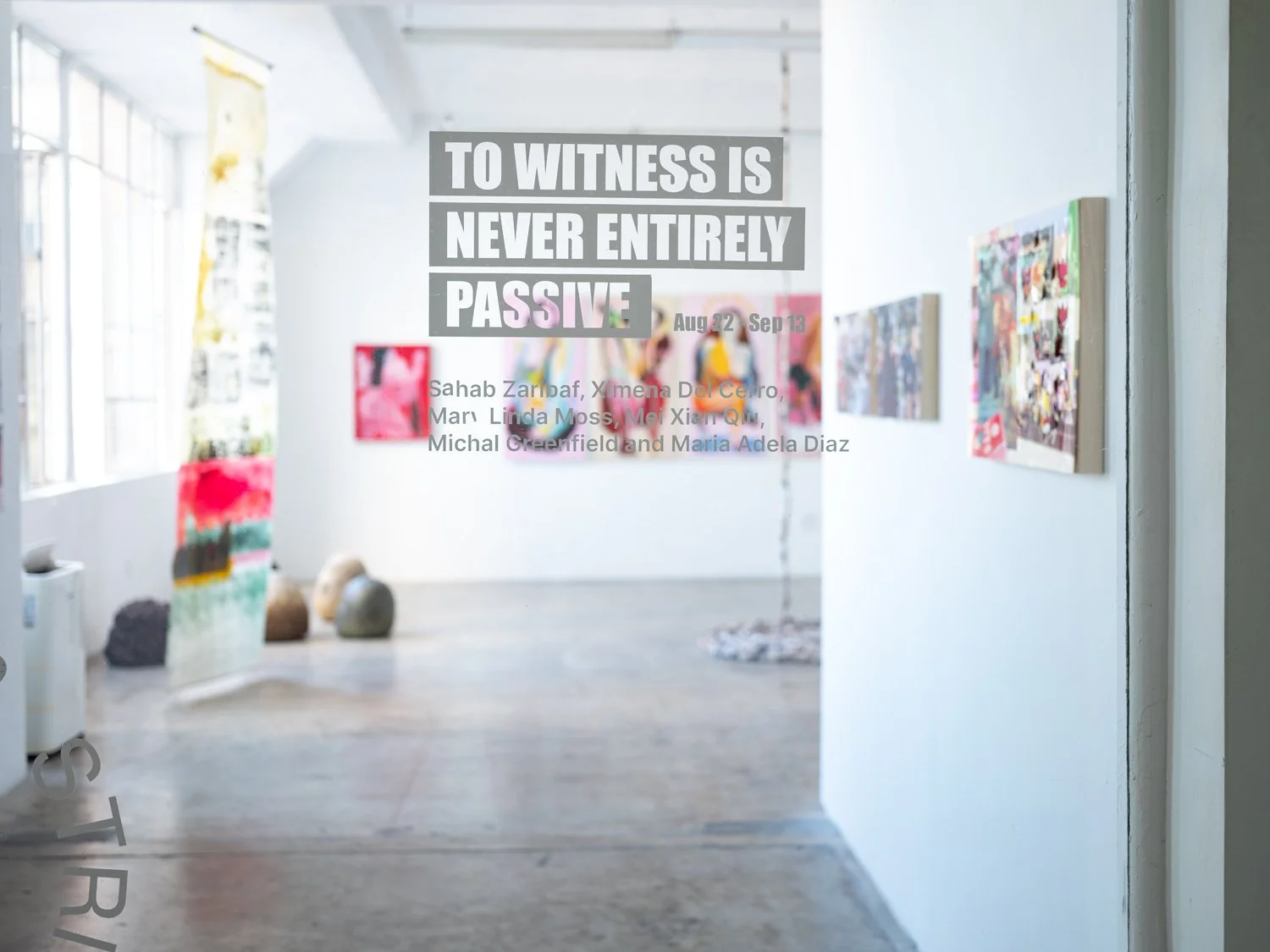
To Witness Is Never Entirely Passive
Aug 22 - Sep 13, 2026
Opening Reception: Sat, Aug 22, 7-10 pm
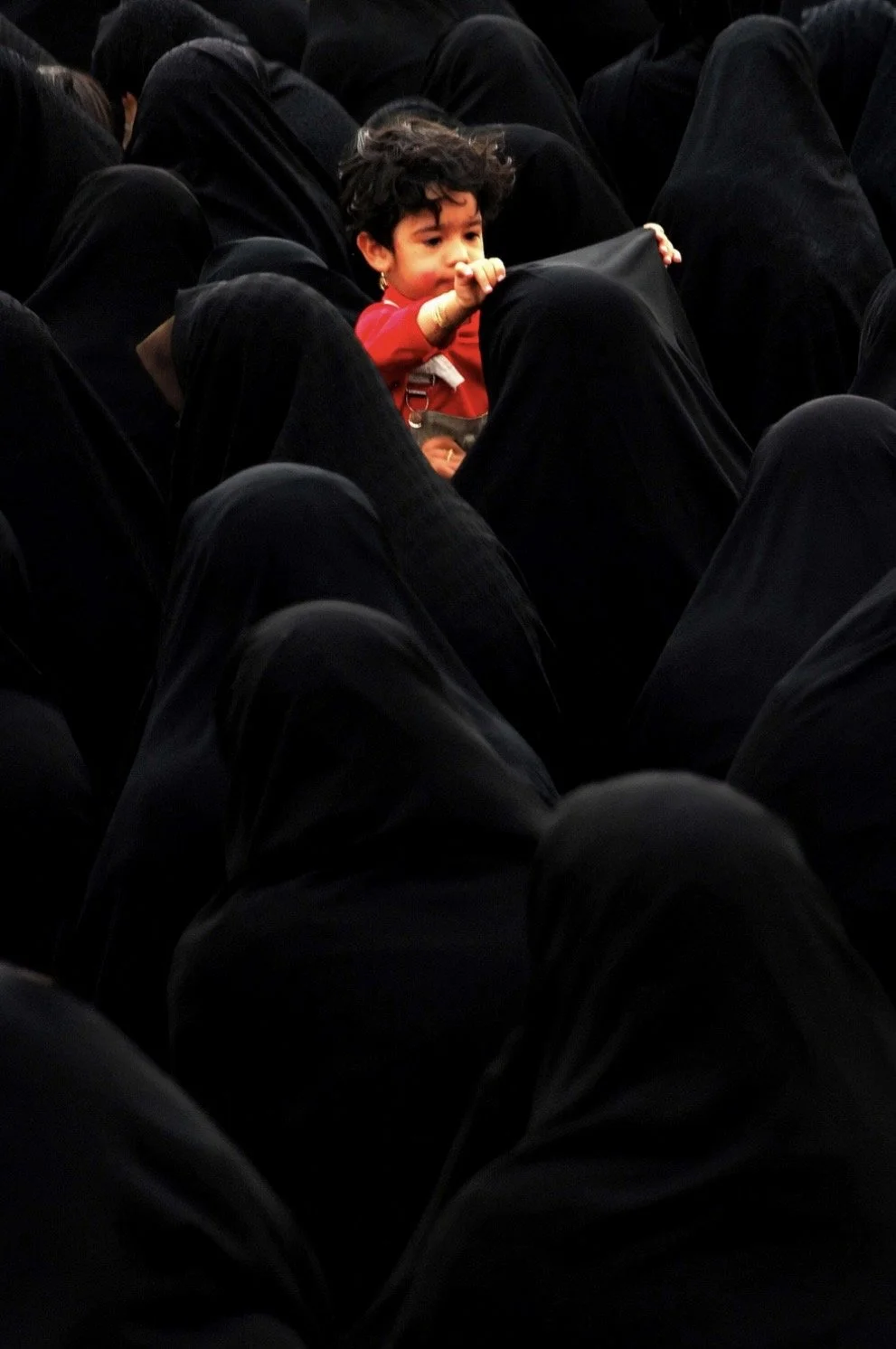
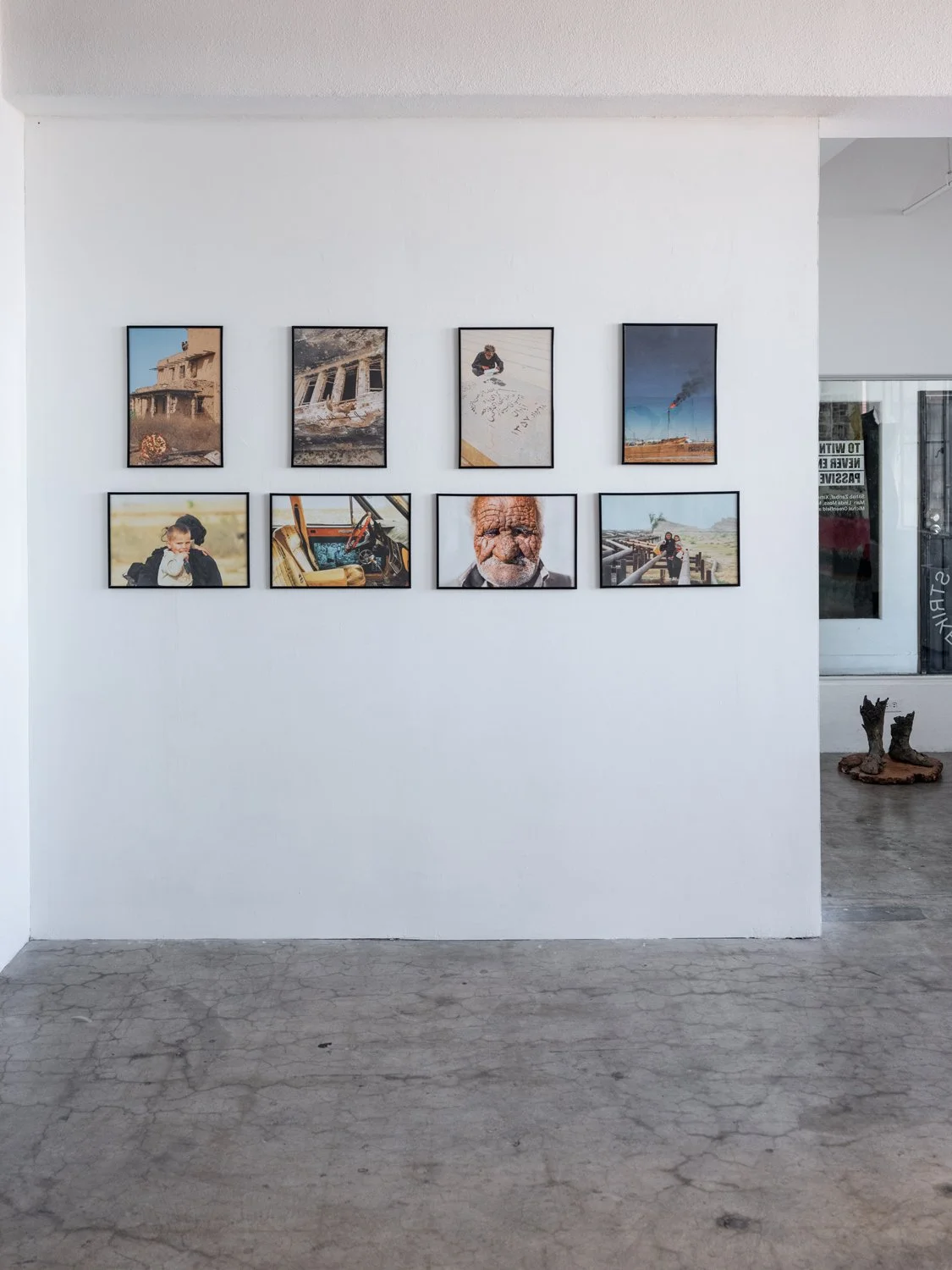
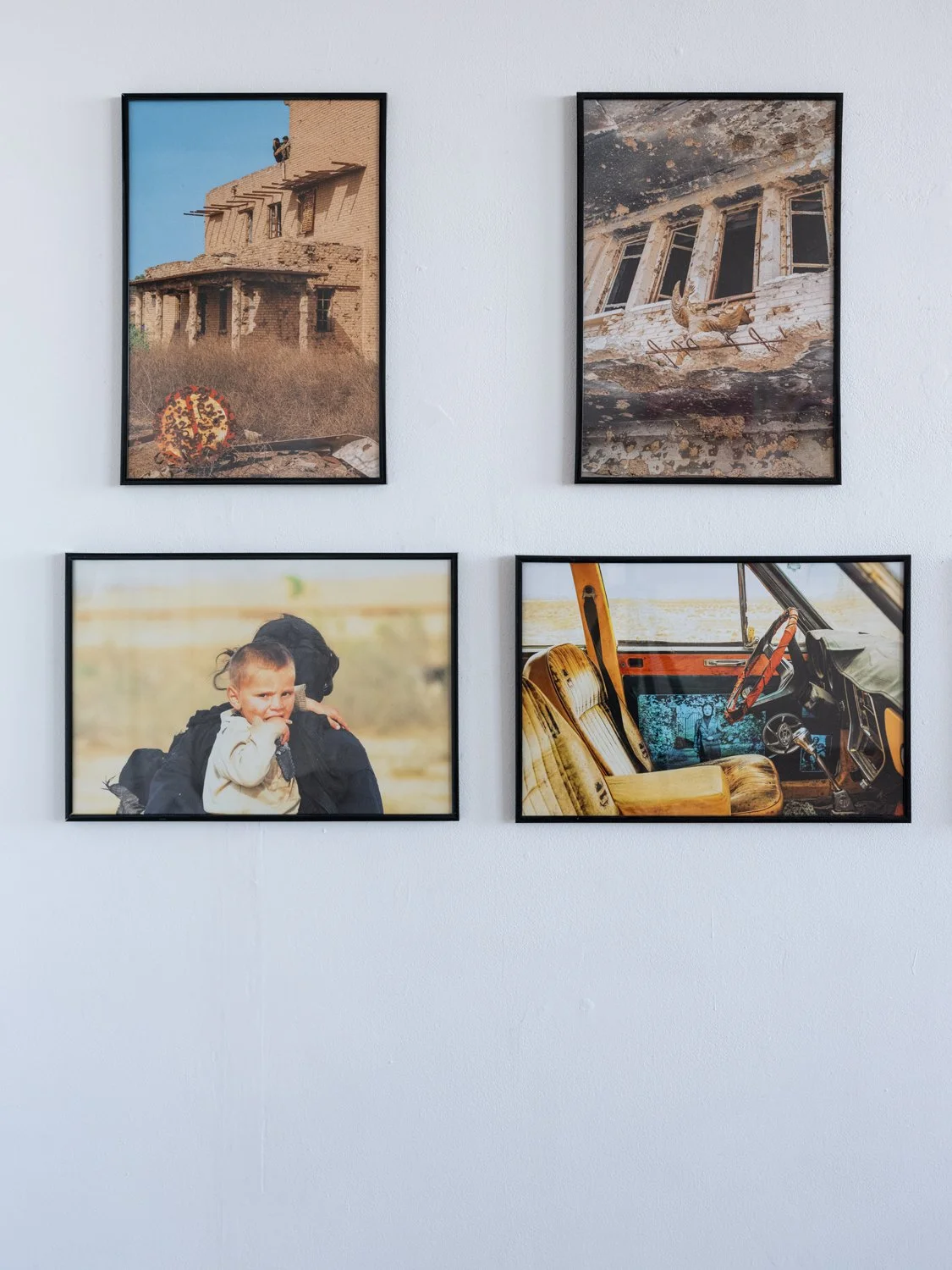
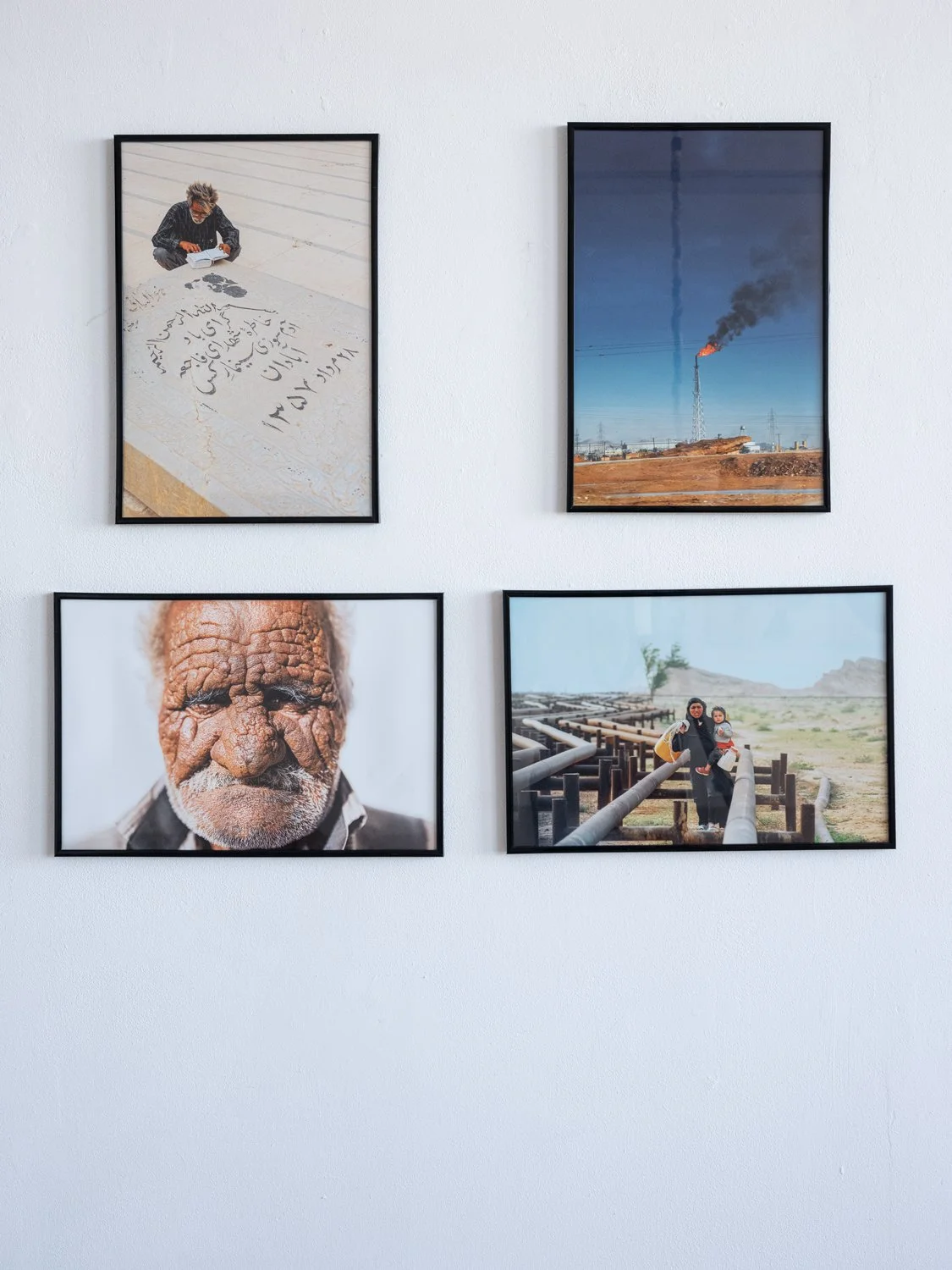
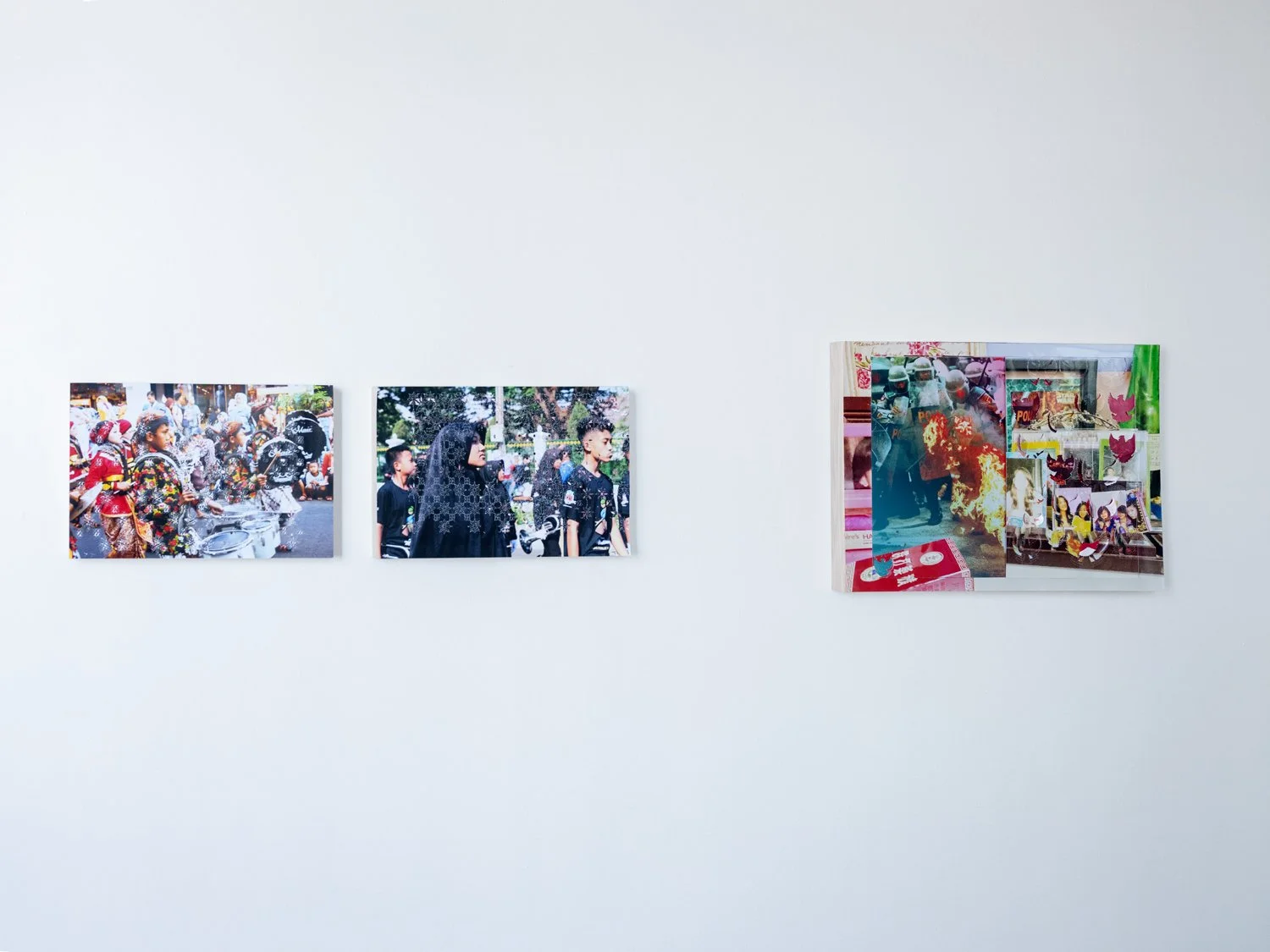
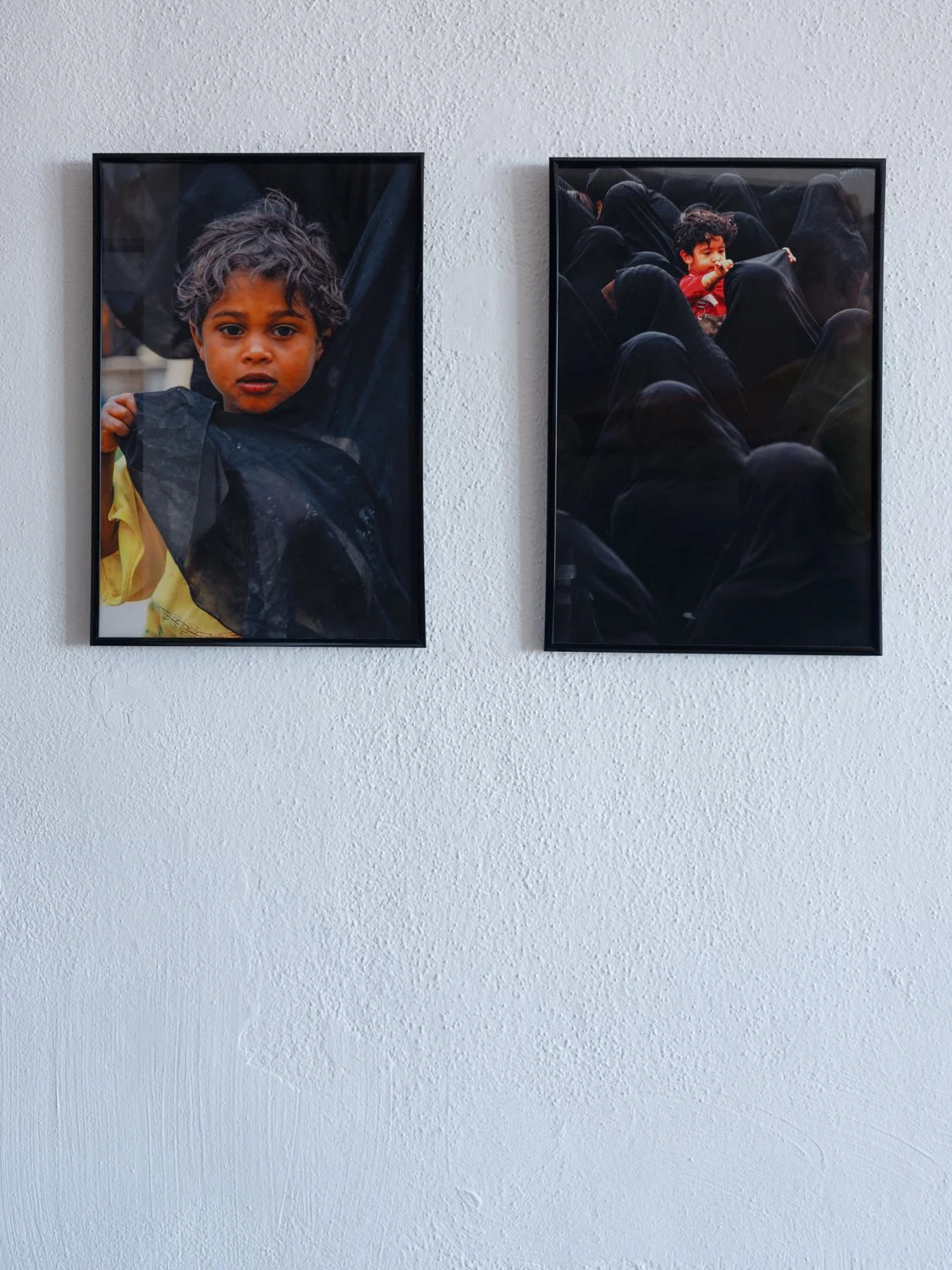
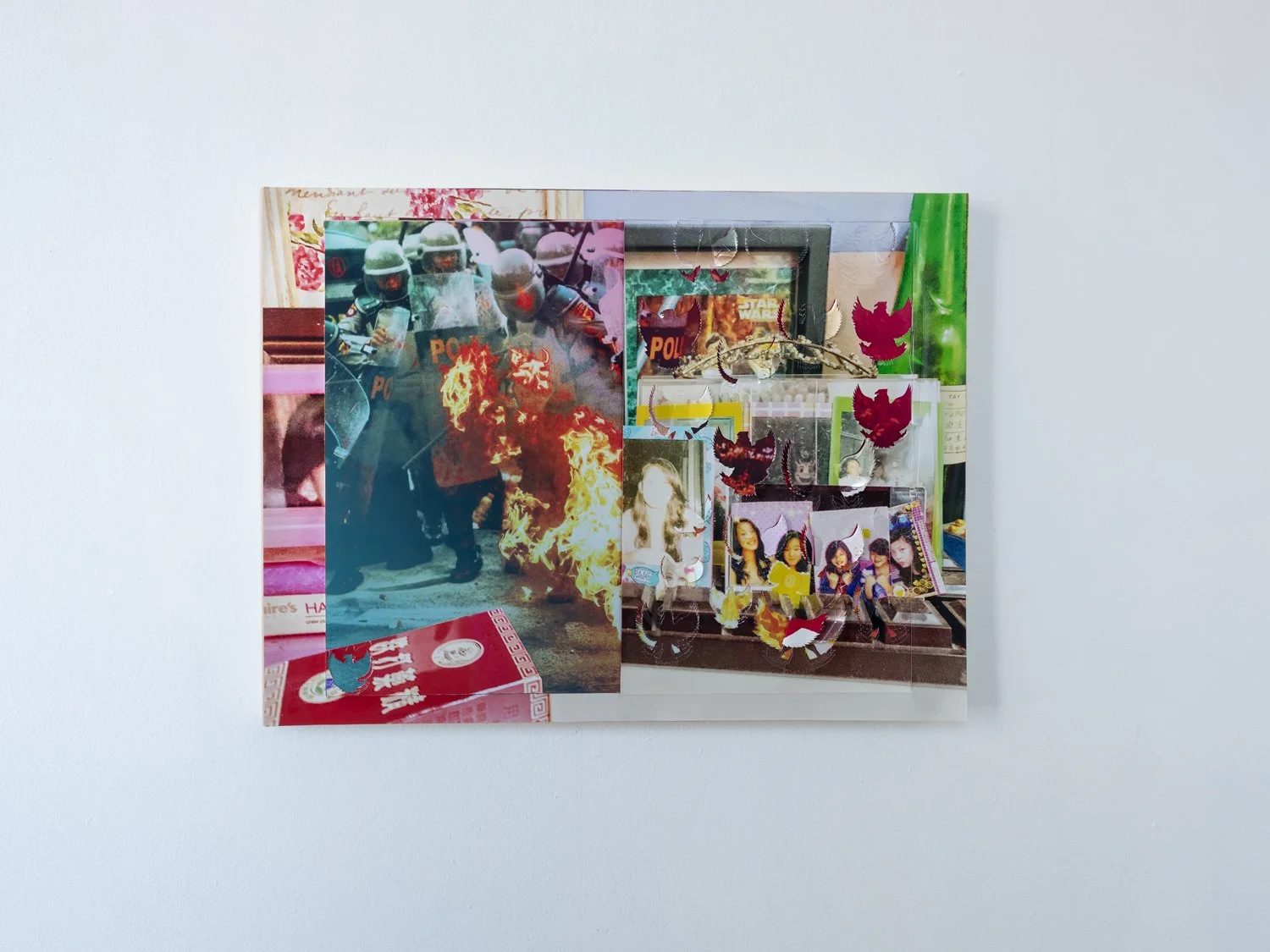
Image by Sahab Zaribaf
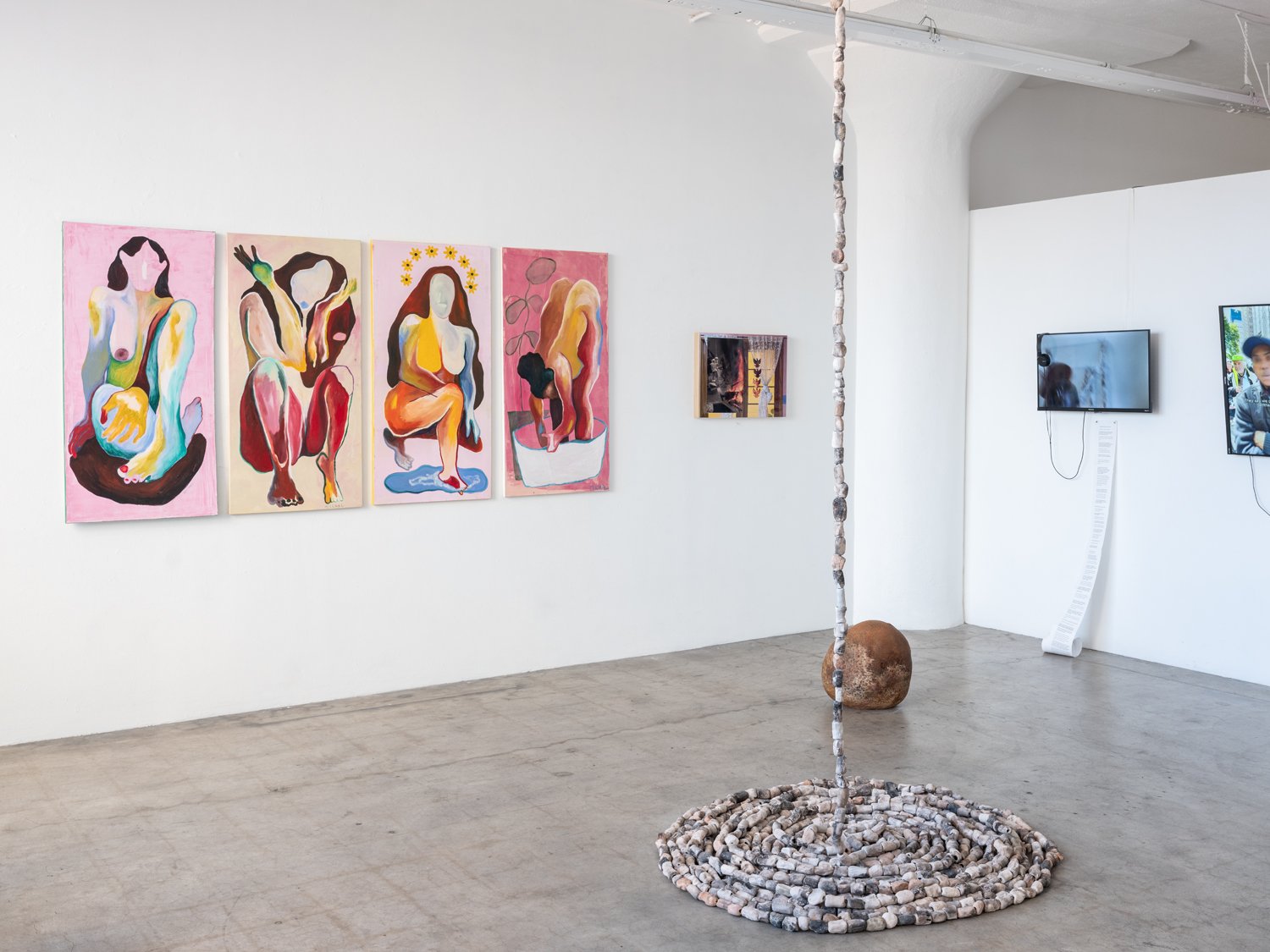
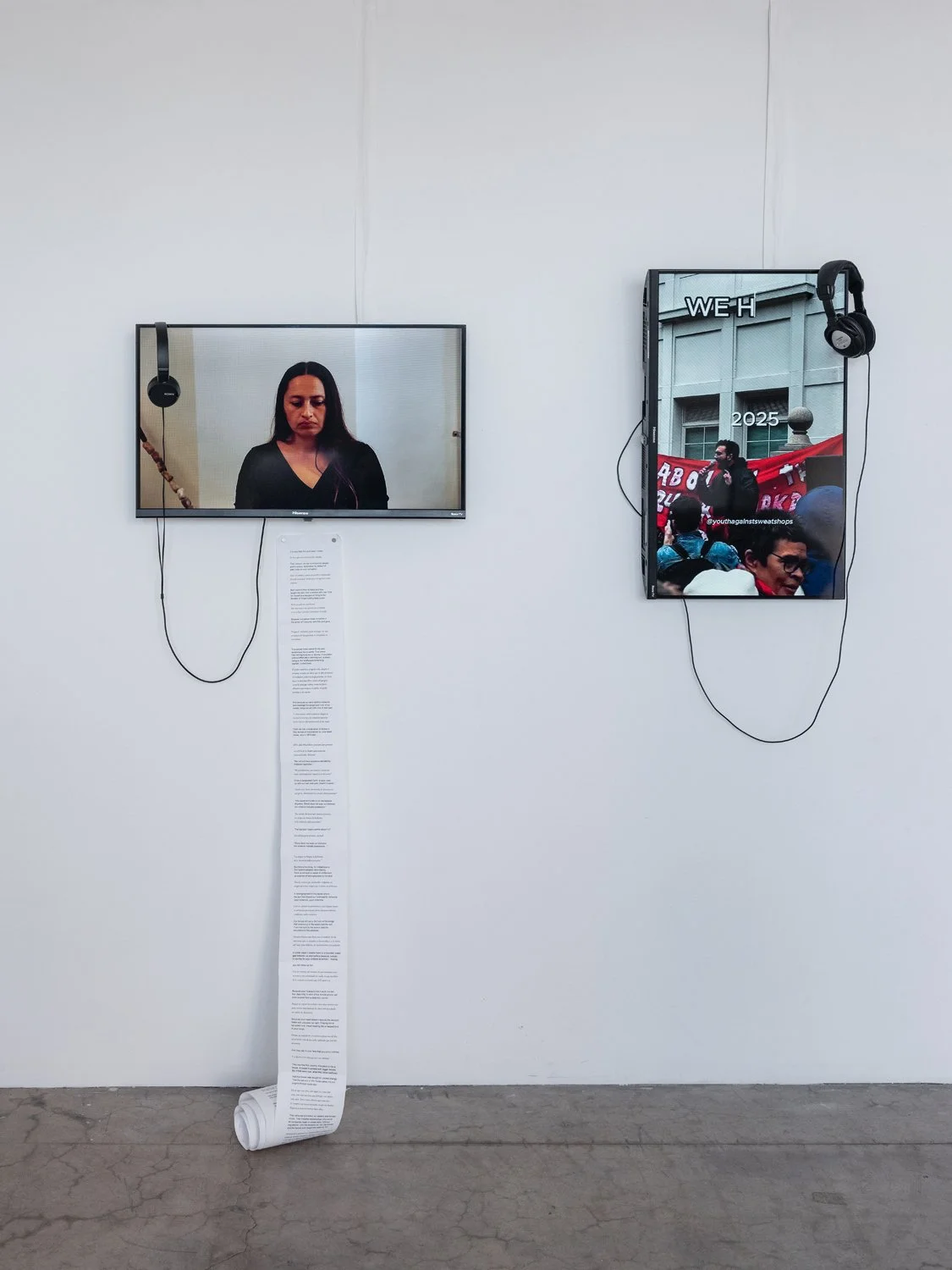
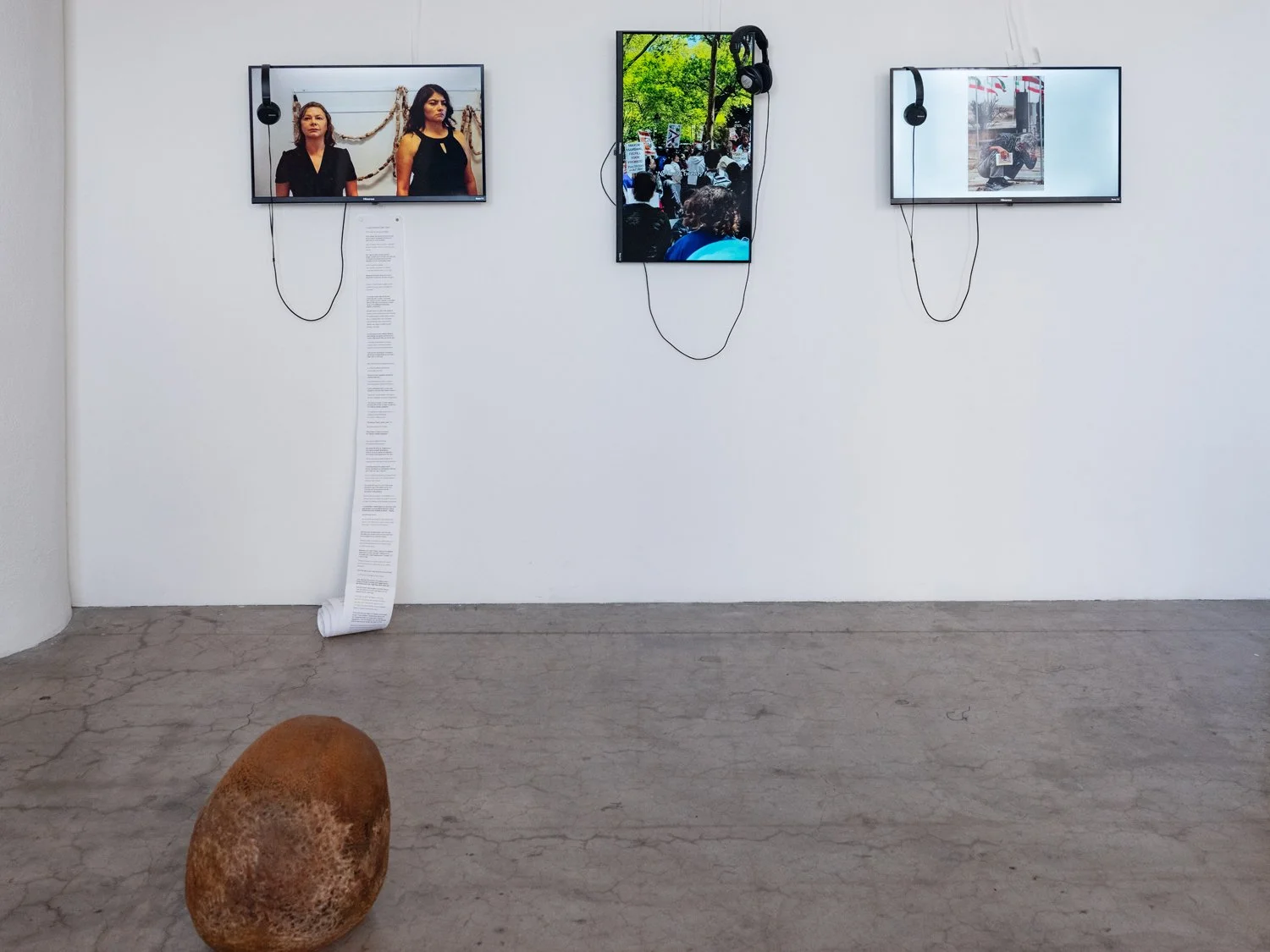
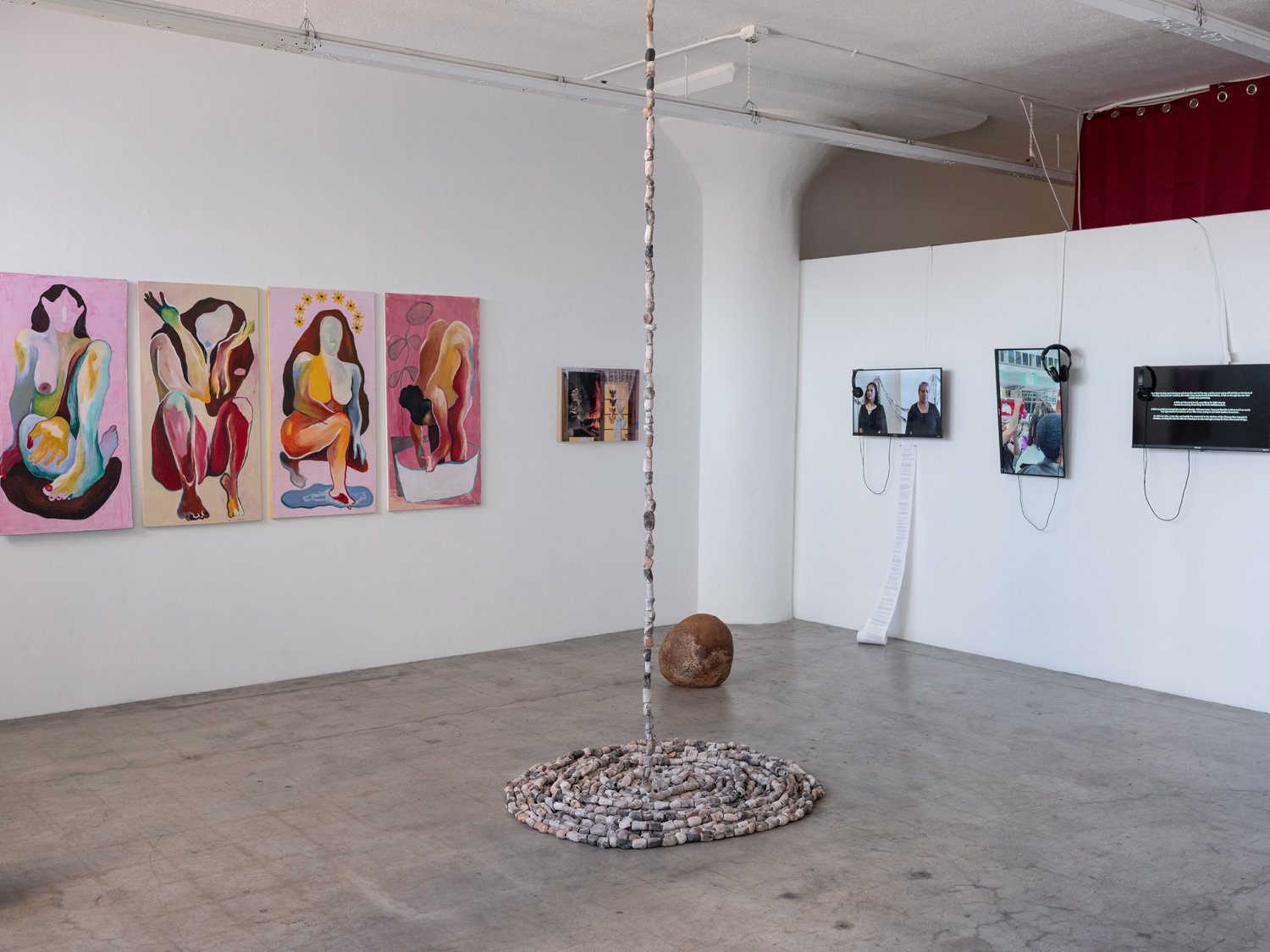
Tiger Strikes Asteroid, Los Angeles (TSA•LA) presents To Witness Is Never Entirely Passive, a six-person exhibition bringing together artists and journalists from the East Coast to the West Coast, whose diverse cultural heritages and practices examine the intersections of art, journalism, and activism. Through acts of witnessing, documenting, questioning, and responding, the exhibition considers how creative and journalistic practices can engage the realities of our time—and how individuals, without necessarily identifying as activists, may nevertheless participate in a larger global conversation about responsibility, humanity, and change.
Curatorial Statement:
For many years, my work as an artist has returned to a series of persistent questions. They emerge through different subjects and forms, yet they remain fundamentally connected: beauty and violence, tenderness and cruelty, memory and forgetting, belonging and displacement. Beneath each of these concerns lies a larger question about human responsibility.
What do we do with what we witness?
The question has become increasingly urgent in a world saturated with images, information, testimony, and competing narratives. We encounter evidence of war, injustice, environmental crisis, political conflict, and human suffering with unprecedented immediacy. Yet proximity to events does not necessarily produce understanding, and understanding does not necessarily lead to action.
It is within this space that journalism and activism become particularly significant.
Journalism has traditionally grounded its authority in observation, investigation, verification, and public accountability. Activism emerges from a different impulse: the belief that existing conditions can be challenged and transformed. One seeks to illuminate reality; the other seeks to alter it. Yet both are rooted in a shared conviction that what becomes visible in public life matters.
The relationship between these two traditions has become increasingly complex. Can journalism remain independent while confronting urgent moral questions? Can activism remain accountable to evidence while pursuing change? At what point does witnessing become participation, and at what point does silence become a form of consent?
These questions are not merely theoretical. They unfold within a media landscape shaped by commercial ownership, political polarization, digital platforms, shrinking local newsrooms, and growing public distrust. The challenge is no longer simply access to information, but how information is produced, circulated, interpreted, and acted upon.
This exhibition brings together artists, journalists, and activists whose practices engage these questions from different perspectives. While their methods vary, each confronts the relationship between visibility and responsibility, between representation and action, between documenting the world and attempting to change it.
The exhibition does not seek to resolve the tension between journalism and activism. Rather, it proposes that the tension itself may be productive. It is within this uneasy territory that difficult questions emerge—questions about truth, power, accountability, compassion, and the ethical obligations that accompany public witnessing.
If there is a common thread connecting the works gathered here, it is not a shared political position but a shared engagement with responsibility. Each asks, in its own way, what it means to encounter the realities of others and what obligations arise from that encounter.
The answer remains uncertain. Yet uncertainty does not absolve us of responsibility. If anything, it deepens it.
To witness is never entirely passive.
— Fatemeh Burnes
Artist’s Bios
Sahab Zaribaf is an Iranian and Los Angeles–based photographer, cinematographer, and visual storyteller whose lens-based practice explores the narrative potential of photography. His work invites viewers to engage with moments that reveal hidden layers of human experience, creating images that provoke curiosity and multiple interpretations rather than definitive conclusions.
His photographs have been published by major international agencies, including Getty Images and Agence France-Presse (AFP), and featured in prominent publications such as Politico and Newsweek. Zaribaf has received numerous awards for his work, including the Crystal Simorgh for Best Photography at the International Film Fajr Festival for Ghosts (2015) and Sun Children (2021), as well as recognition from the Foundation Louis Roederer Photography Prize for Sustainability in London. His work has also earned multiple honors from the Iranian Society of Still Photographers and other international photography festivals.
His photographs have been exhibited internationally in both solo and group exhibitions, including the Iranian House of Artists in Tehran, the Iran Culture Festival in Munich, and the International Film Fajr Festival, among other venues.
Zaribaf studied photography at LORCA Photography School in Tehran and holds a bachelor’s degree in Industrial Engineering from Azad University. He is a member of the National Iranian Photographers’ Society and the Iranian Society of Still Photographers, and currently holds an LAPD Press Pass.
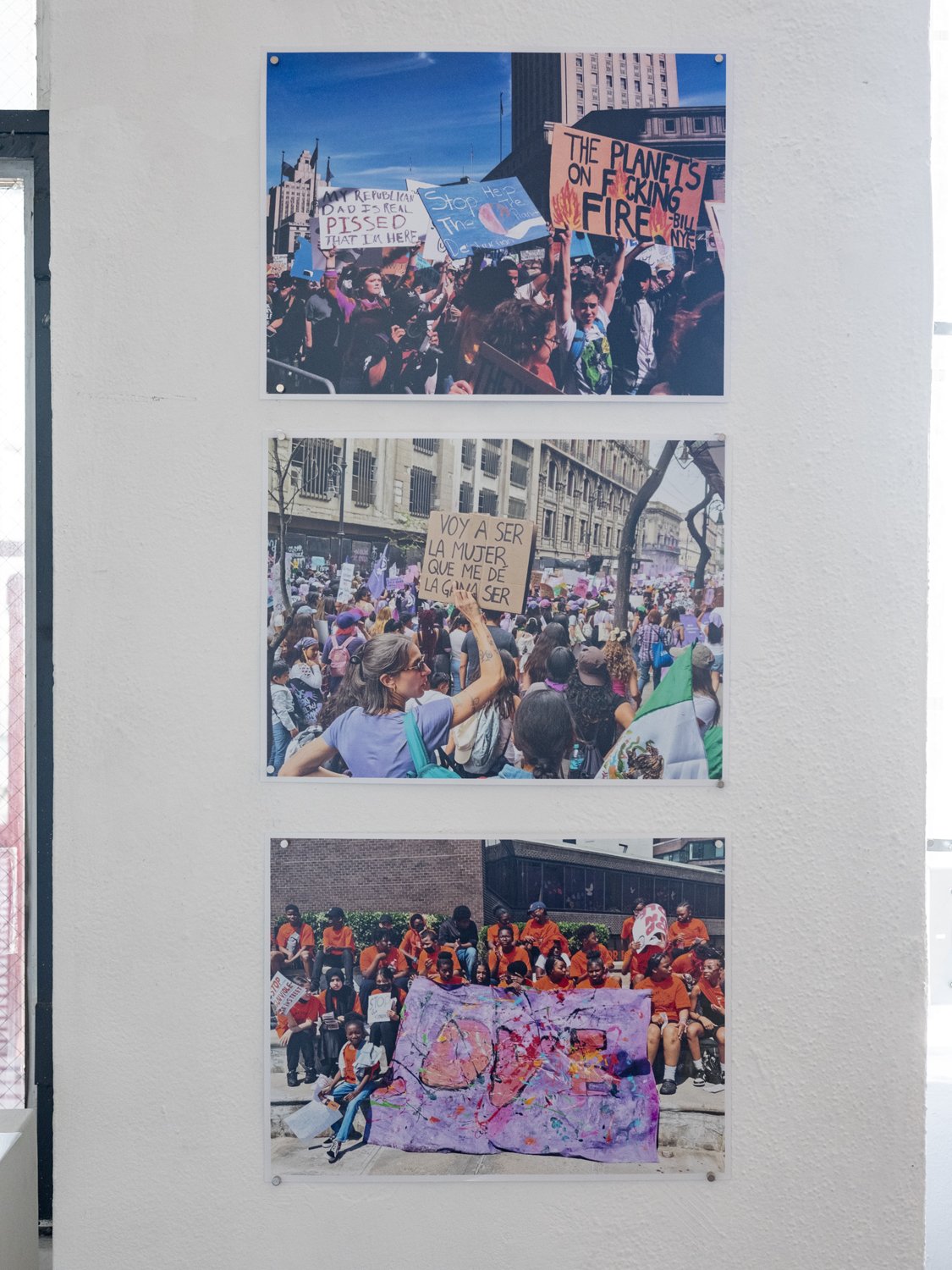
Ximena Del Cerro is a Mexico City–born journalist, reporter, producer, and editor based in Brooklyn, New York. A graduate of New York University’s Master’s program in Multimedia Journalism, she is the founder and Editor-in-Chief of Skyline News NYC. Her reporting focuses on local stories across New York City, examining social and environmental issues alongside cultural and artistic initiatives. Her work has appeared in Bloomberg, Vice, amNewYork, NPR’s Latino USA, and the Brooklyn Paper.
For Del Cerro, journalism is both a profession and a civic responsibility. Guided by a commitment to those most directly affected by today’s pressing issues, she approaches reporting as a means of amplifying underrepresented voices and fostering a more informed and compassionate society. Her work is grounded in the belief that access to information strengthens communities and that meaningful progress depends on empathy, cooperation, and civic engagement.
Having reported in both Mexico City and New York, Del Cerro explores the shared human concerns that connect people across cultures and borders. Her reporting is built on long-standing relationships with activists, community leaders, and residents whose dedication to justice and social progress shapes the stories she tells. While committed to presenting facts and representing multiple perspectives, her work consistently reflects the conviction that journalism has the power to connect people, encourage public dialogue, and inspire collective action toward more equitable communities.
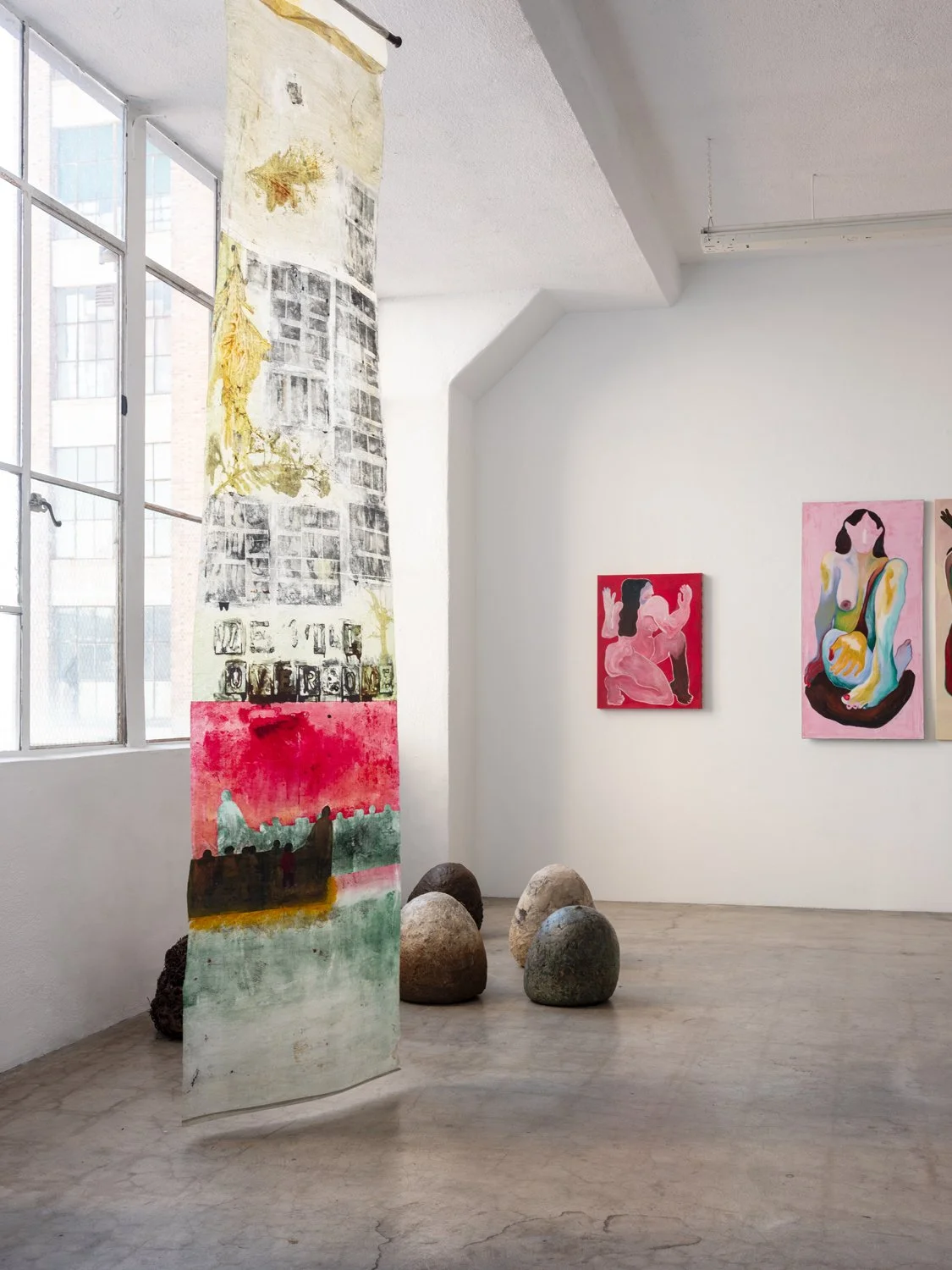
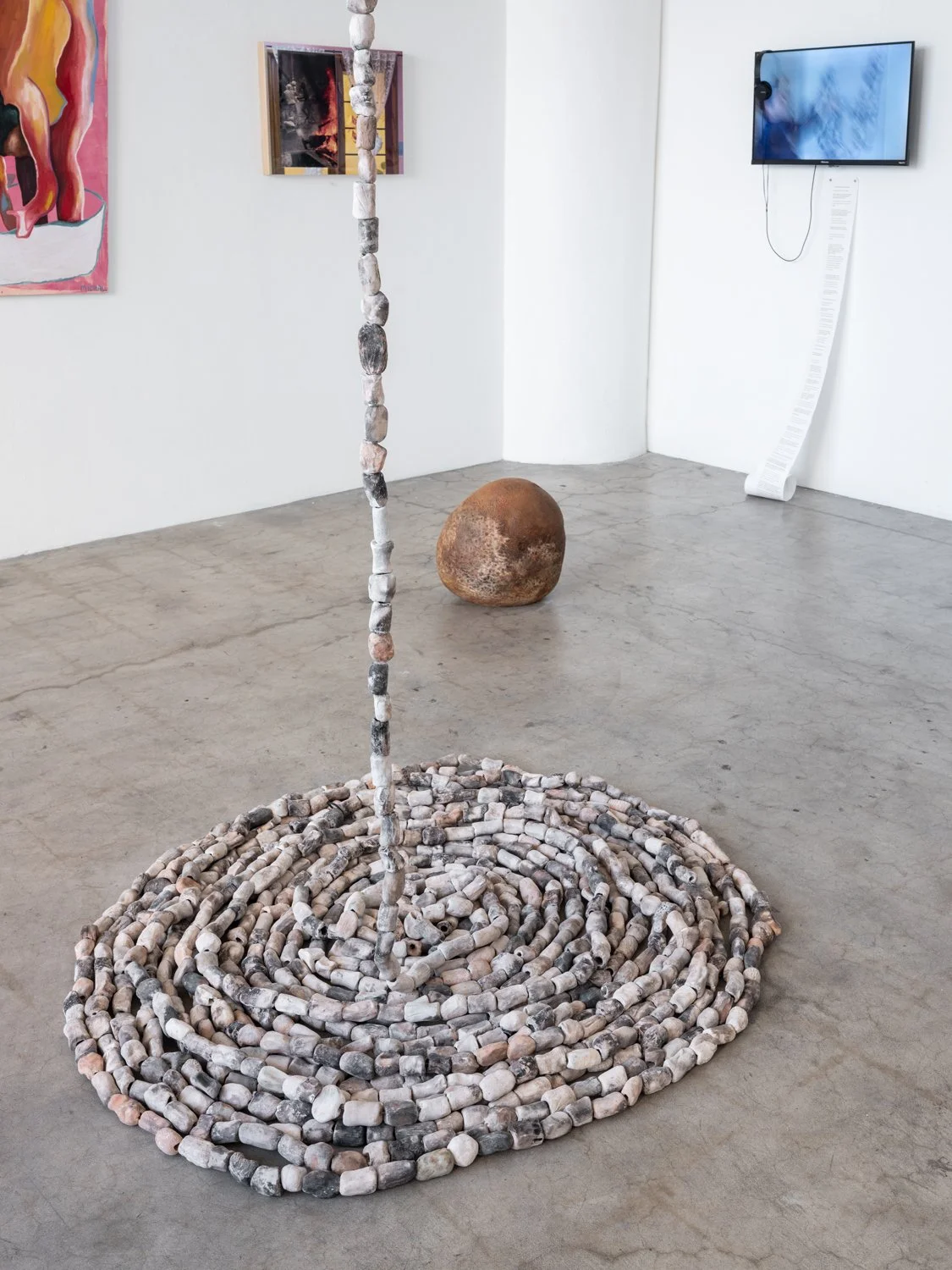
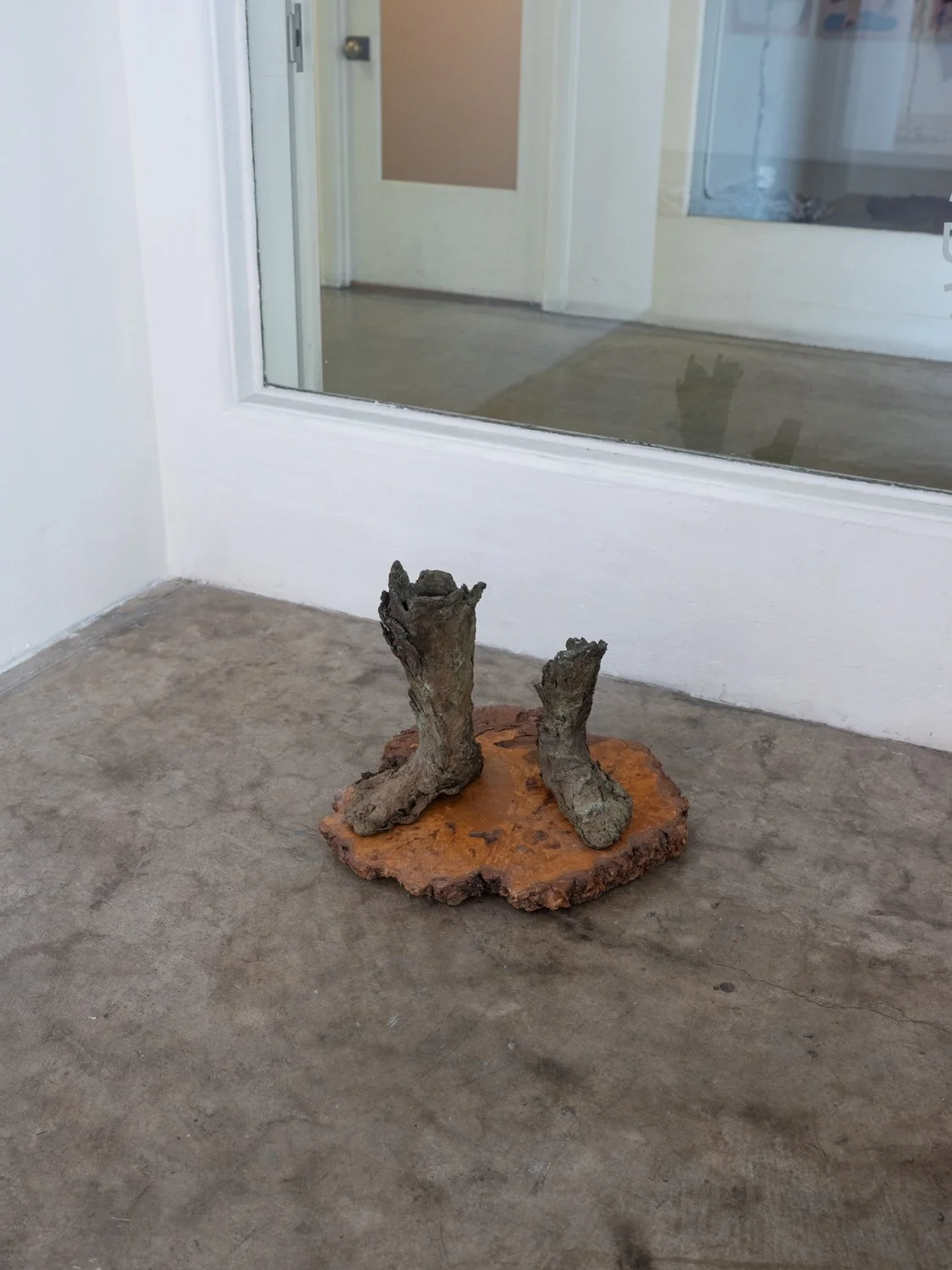
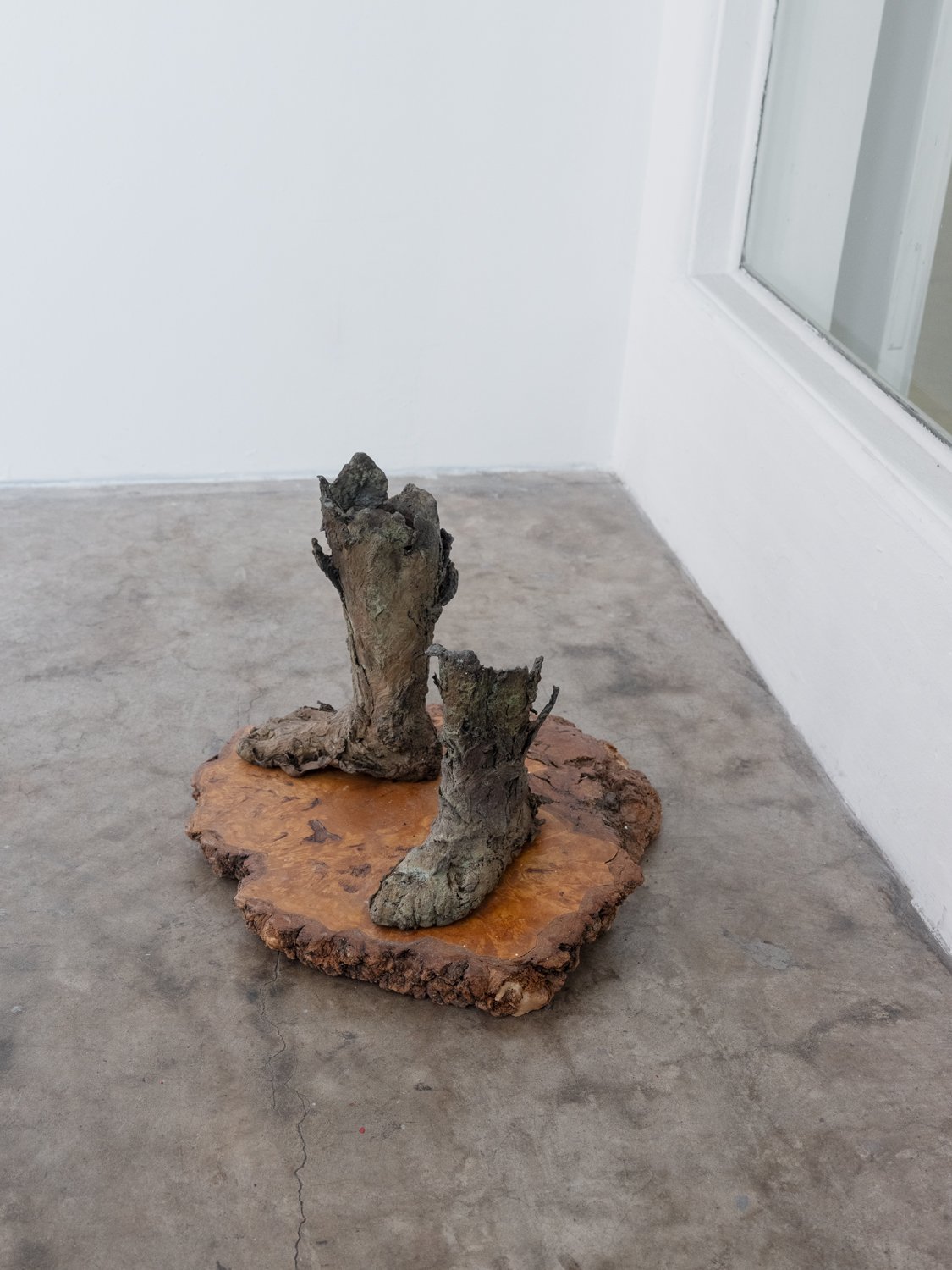
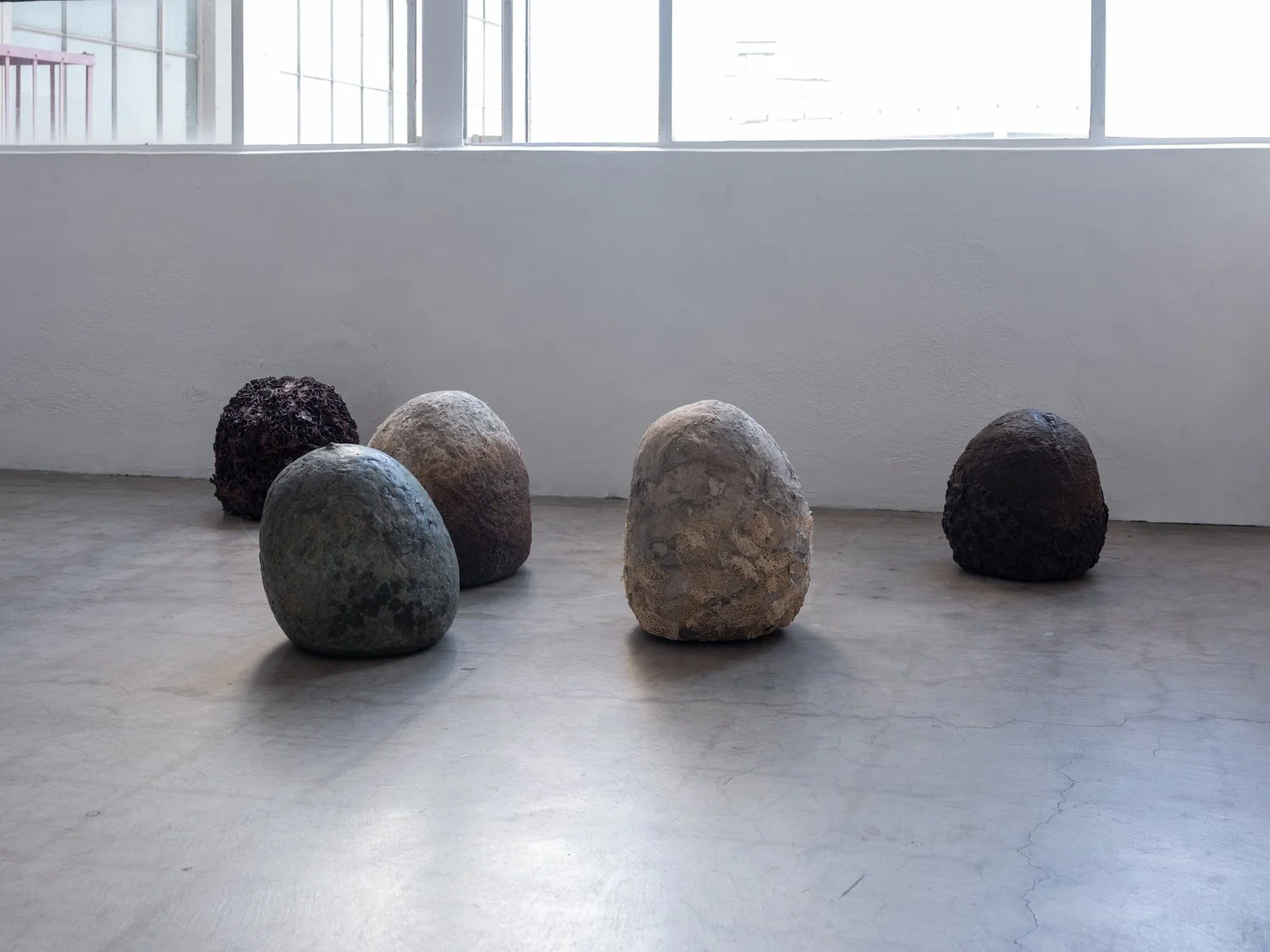
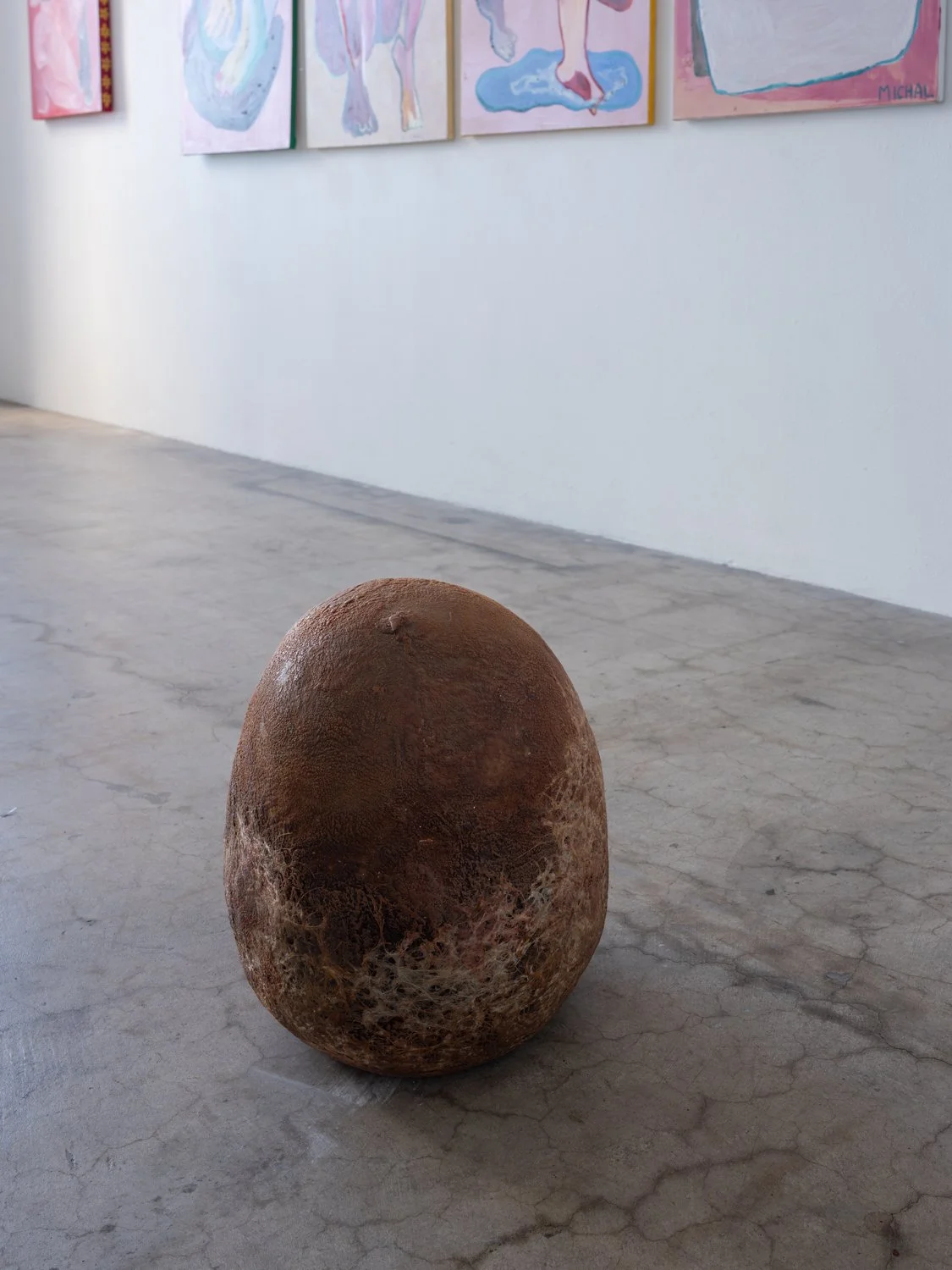
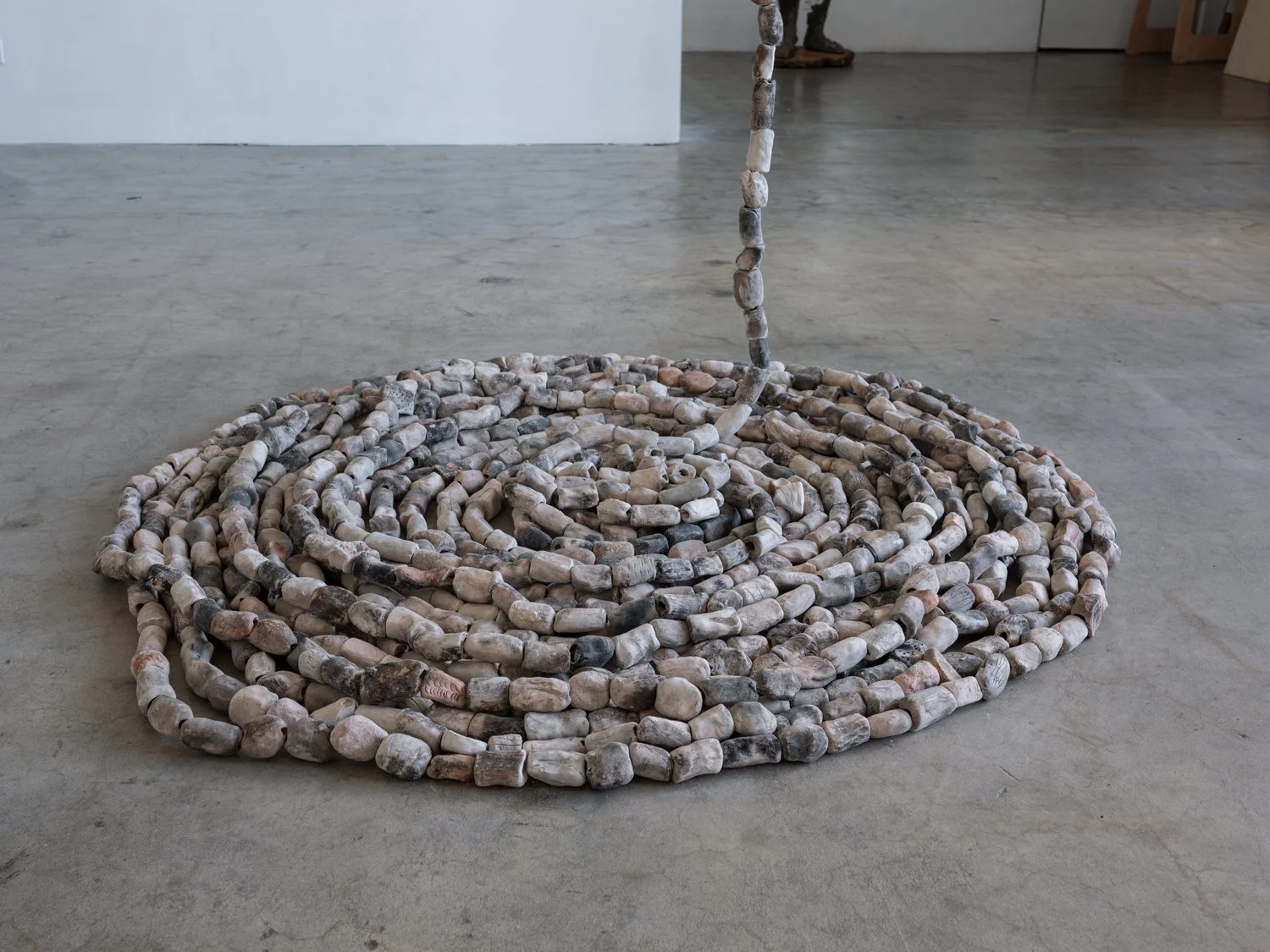
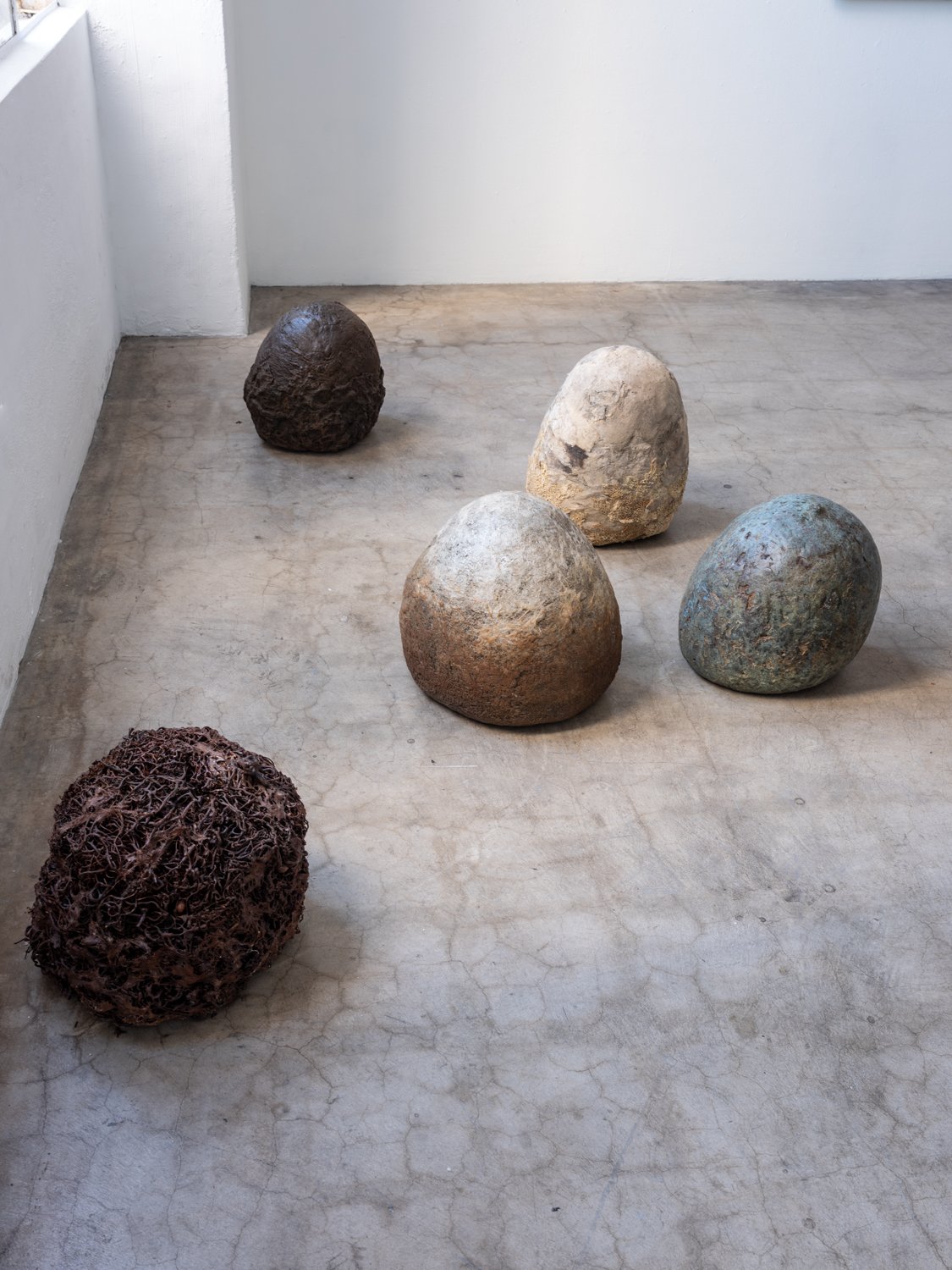
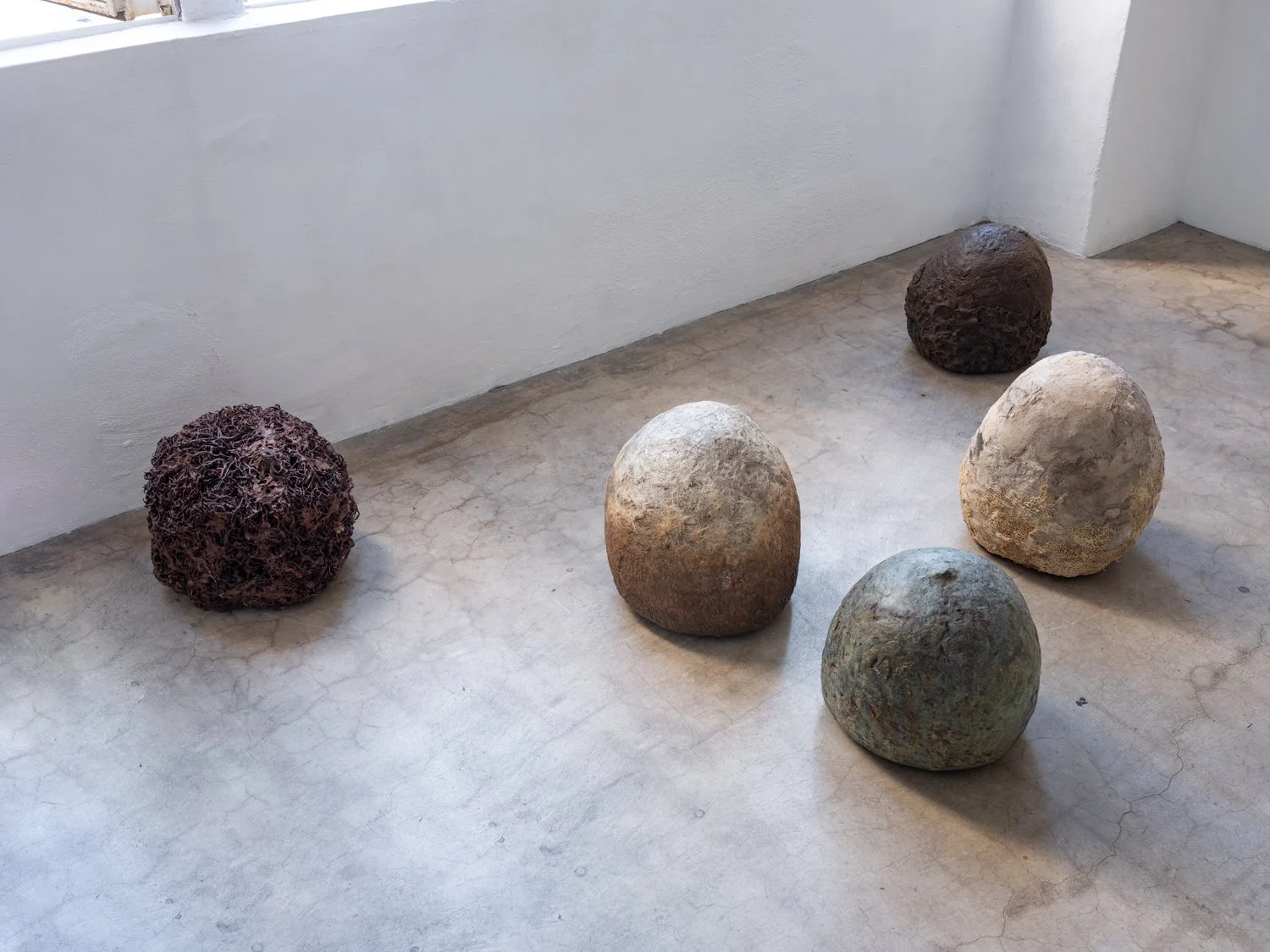
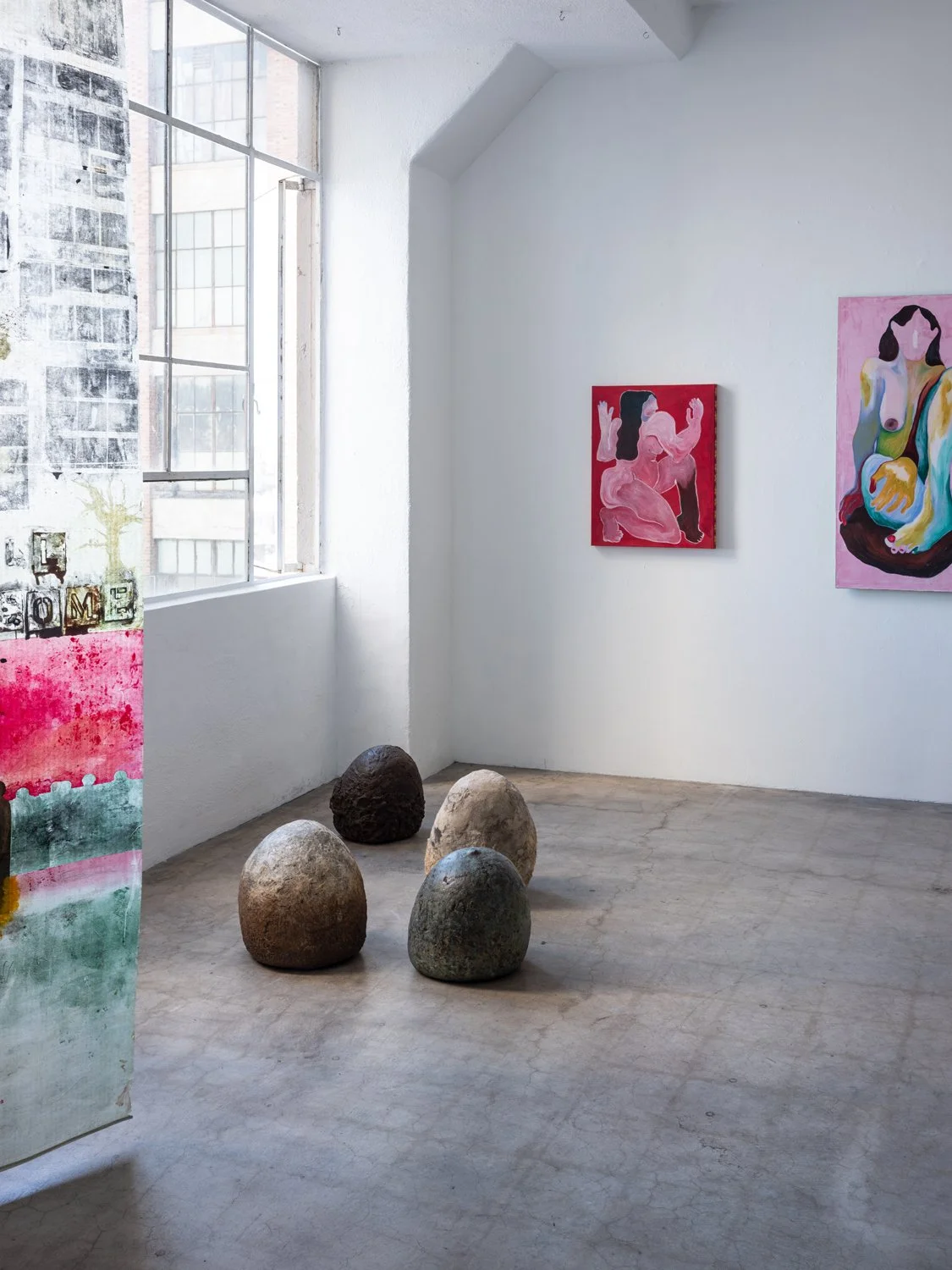
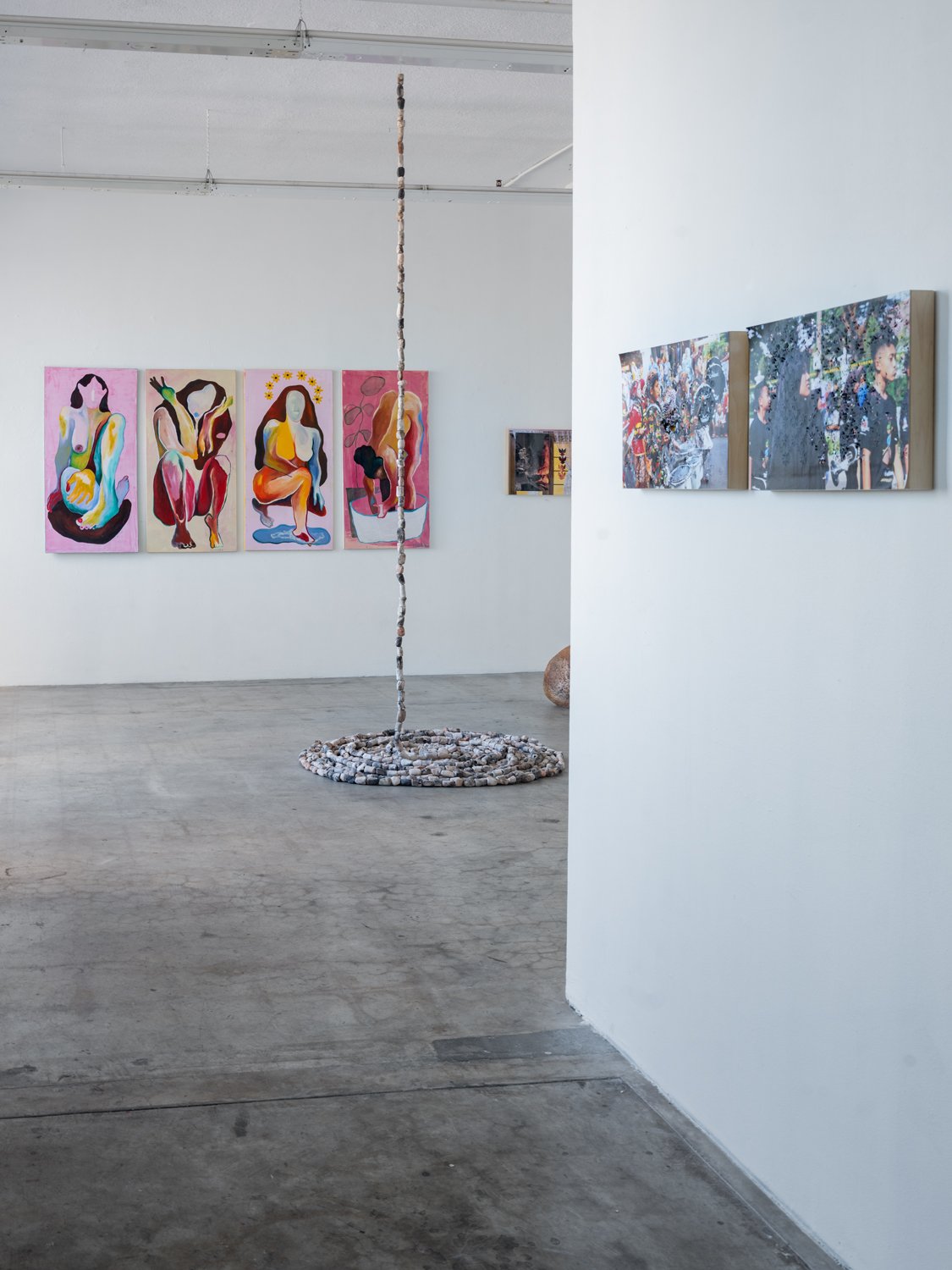
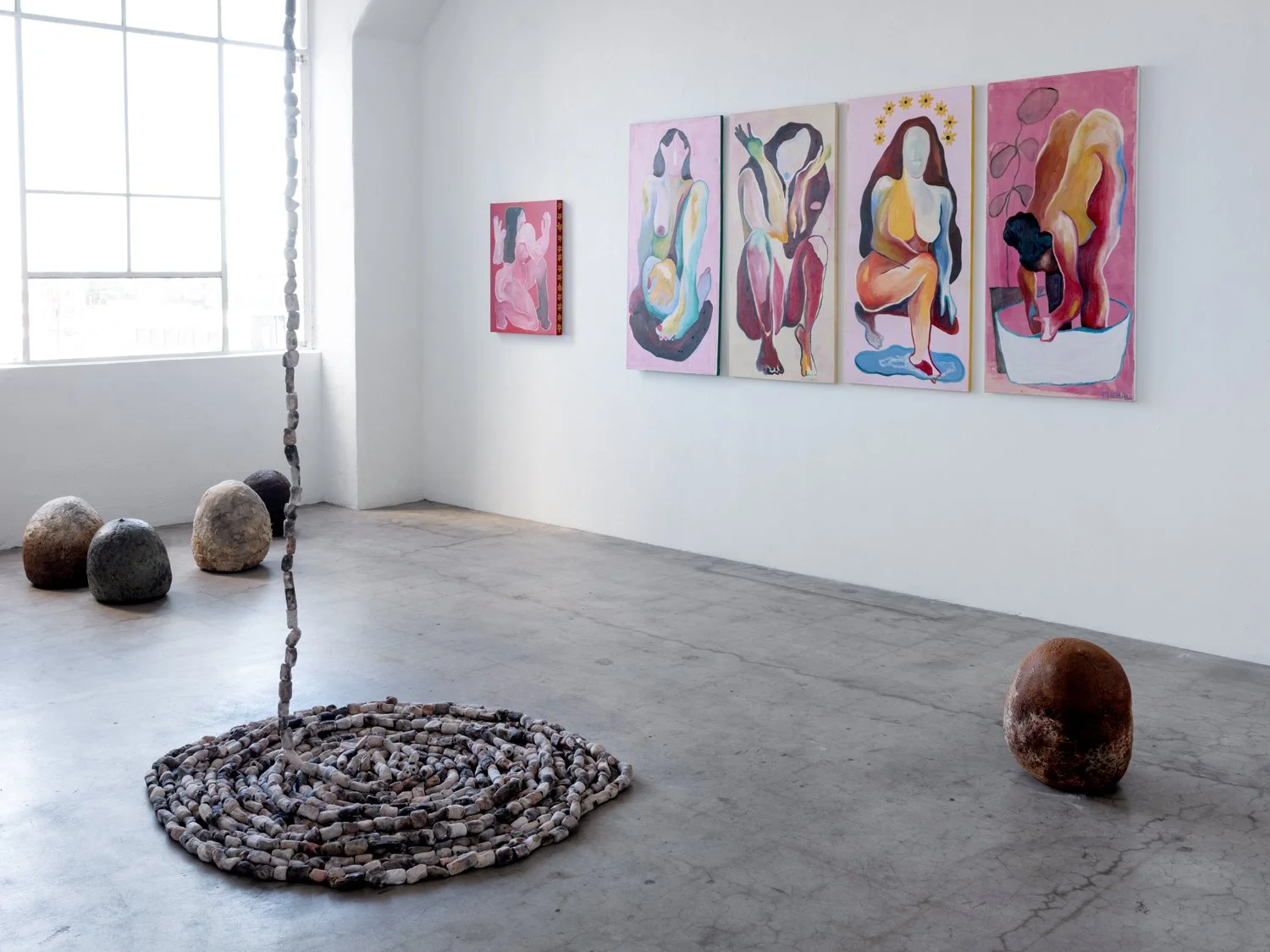
Mary Linda Moss is an LA based artist, activist, and art consultant. A graduate of The School of the Art Institute in Chicago, MaryLinda has been creating and exhibiting sculpture and installation art that relates to cycles and elements of the natural world, since the mid ‘90s. An abstracted embodiment of our emotional and spiritual experiences, MaryLinda’s sculptural works have an ancient, earthy quality. They delve into the ephemeral, the transitional, the transformative in ourselves; the vulnerable point from which we come to a new awareness of self. Depicting the body and its functions she suggests our spiritual and actual, physical connection to the earth in its most basic elements, with its continual, perpetual sloughing off and regeneration. Her use of organic matter in conjunction with other materials is aesthetically engaging, but also presents a concept essential to the work. The intricacy of detail and the sensuality of surface invites an intimate, fresh look at how we experience the body and ourselves. With inspiration from the natural world, she uses a variety of materials and media including bronze, wax, wood, stone, plaster, and natural fibers to create sculptures and installations that relate to the body and its processes. Her artwork tends to be a response to current situations, though resonating with intimate and personal experience, giving plenty of opportunity for exploration of the essence of who we are and how we relate to the world around us. In 2013 she founded Source Art, an art consulting business giving the interior design community a deeper access to fine art.
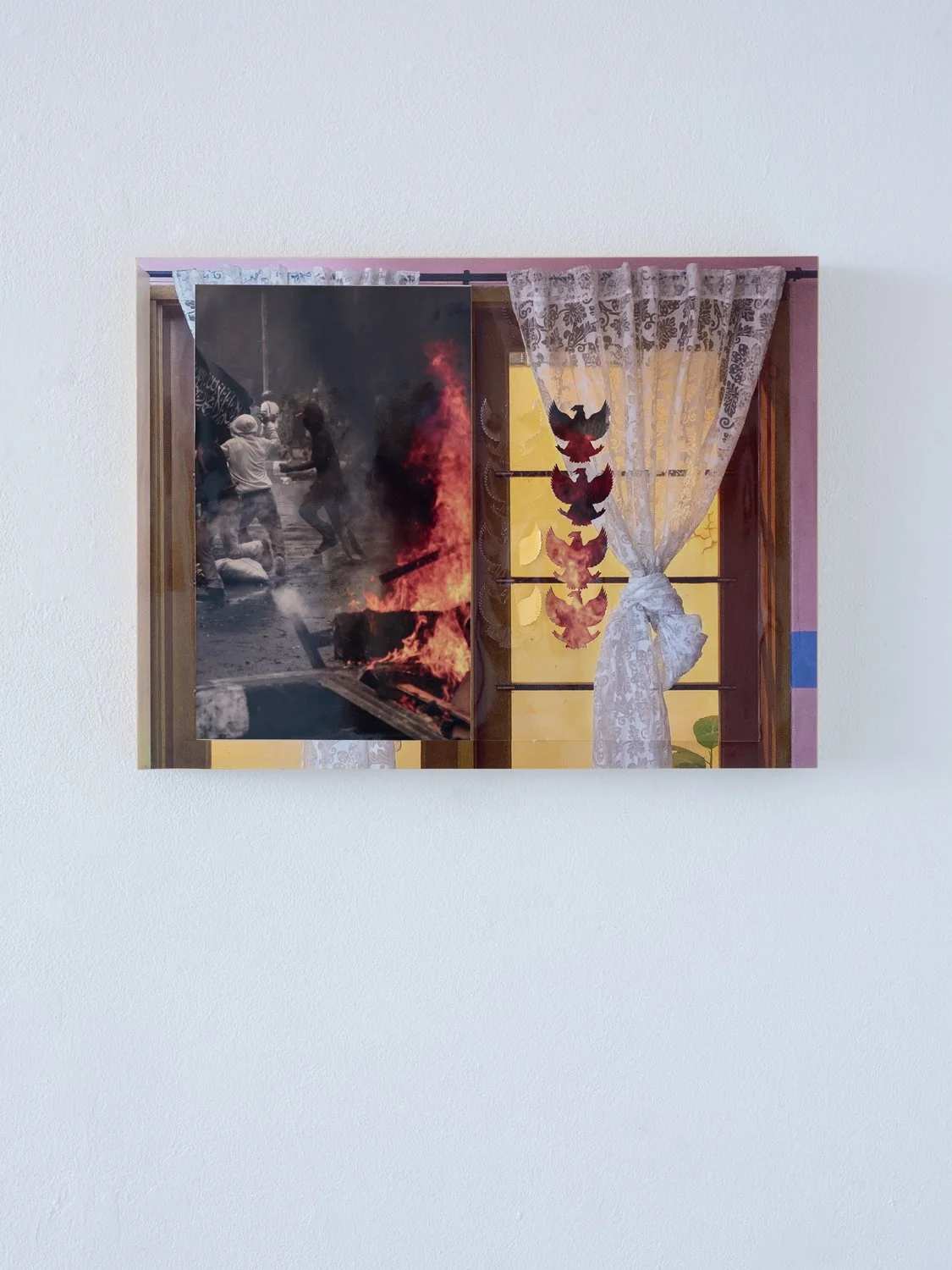
Mei Xian Qiu is a Los Angeles–based artist born in the town of Pekalongan, on the island of Java, Indonesia, into a third-generation Chinese minority family. At birth, she was given multiple names in preparation for societal collapse and possible futures: a Chinese name, an American name, and an Indonesian name given by her parents, as well as a Catholic name given by the local priest.
In the aftermath of the Chinese and Communist genocide, her family immigrated to the United States. During her childhood, Qiu moved back and forth between the two countries several times, as her parents’ initial concerns about what they perceived as the amorality of life in the West were countered by the uncertainty of life in Java. Partially as a result of a growing sense of restlessness, her father joined the U.S. Air Force, and the family lived across the country, sometimes staying in one place for only a month at a time. As an adult, Qiu has also been based in Europe, China, and Indonesia, experiences that continue to shape her understanding of migration, displacement, identity, and belonging.
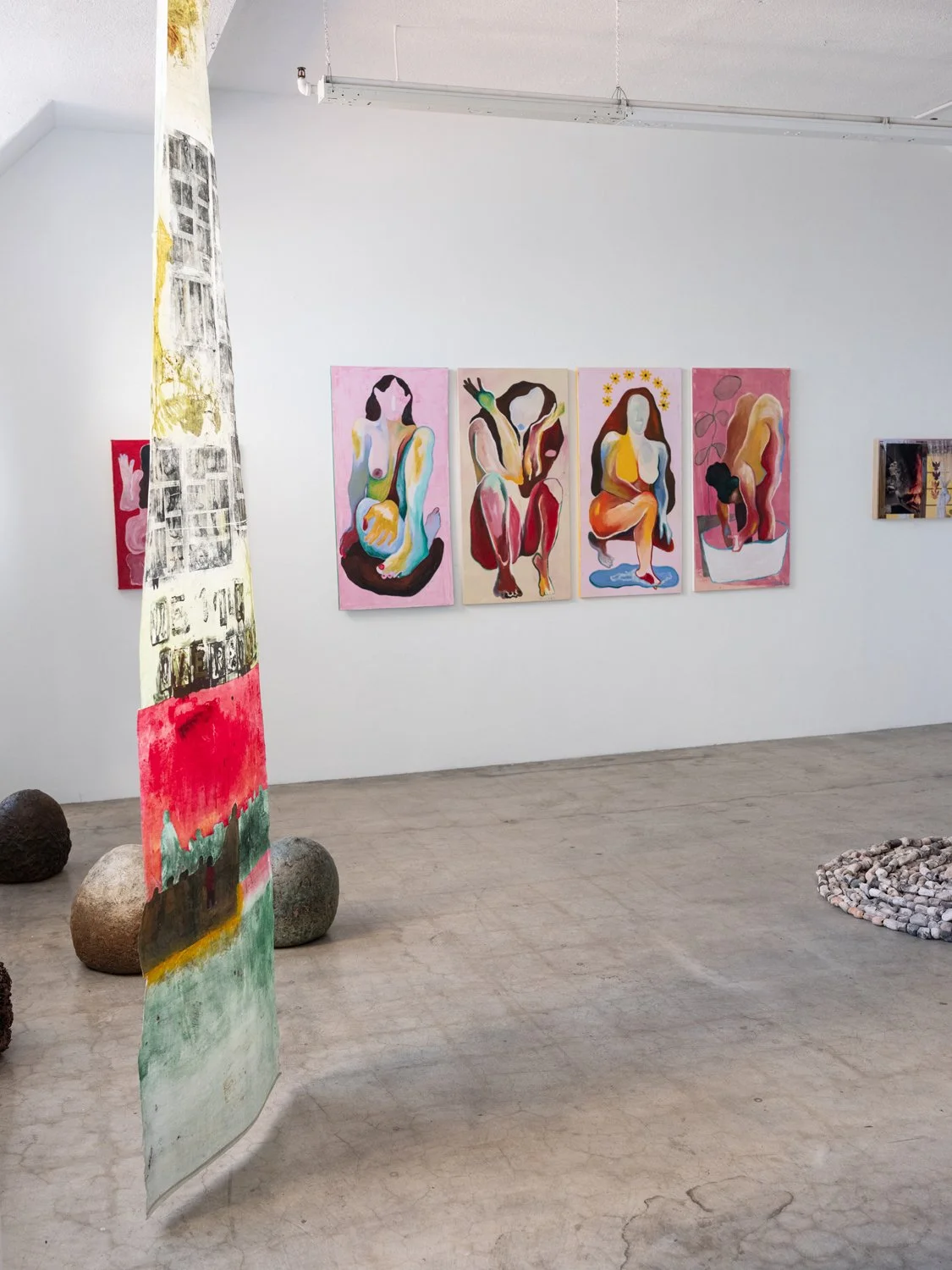
Her work Angel Island is a body of work consisting of light, hanging Chinese rice paper scrolls and life-size puppets that explore themes of inhumanity, exclusion, displacement, and identity. Named after the grueling immigrant processing center located off the coast of San Francisco, the work interprets Angel Island from the historical perspective of its many Chinese detainees and examines the collective response to suffering among those who endured confinement there.
Within the folds of the scrolls are etched the retuned classic Chinese poems of hope and hopelessness, frustration, and longing that were written into the walls, bedposts, and open surfaces of the Angel Island barracks by impoverished migrants from China’s Pearl River Delta. The imagery within the scrolls emerges from Qiu’s personal responses to the poetry of Angel Island detainees, particularly their struggle for human dignity in the face of targeted oppression.
Unlike the open embrace experienced by immigrants arriving through Ellis Island, primarily Asiatic immigrants detained at Angel Island were often held for as long as two months under harsh conditions, and suicides were not uncommon. Men and women—even husbands and wives, parents and children—were separated. A small rectangle of sunlight was afforded to the men for only one hour a day. The Island symbolized more than a rite of passage into the uncertainties that defined the Chinese American experience in the early twentieth century; it became a site of exclusion, endurance, and collective memory.
As an Indonesian Chinese artist whose own family left Indonesia in the aftermath of the post-Sukarno genocide, Qiu’s artistic engagement with Angel Island became both a necessary and vital act of remembrance. Through this work, she connects histories of migration, trauma, and displacement with broader questions of identity, survival, and human dignity.
The scrolls can be presented as an installation or displayed individually as two-dimensional works against the wall. Angel Island was exhibited at MOMA Yerevan, Armenia, as part of Requiem for Genocide in 2005.
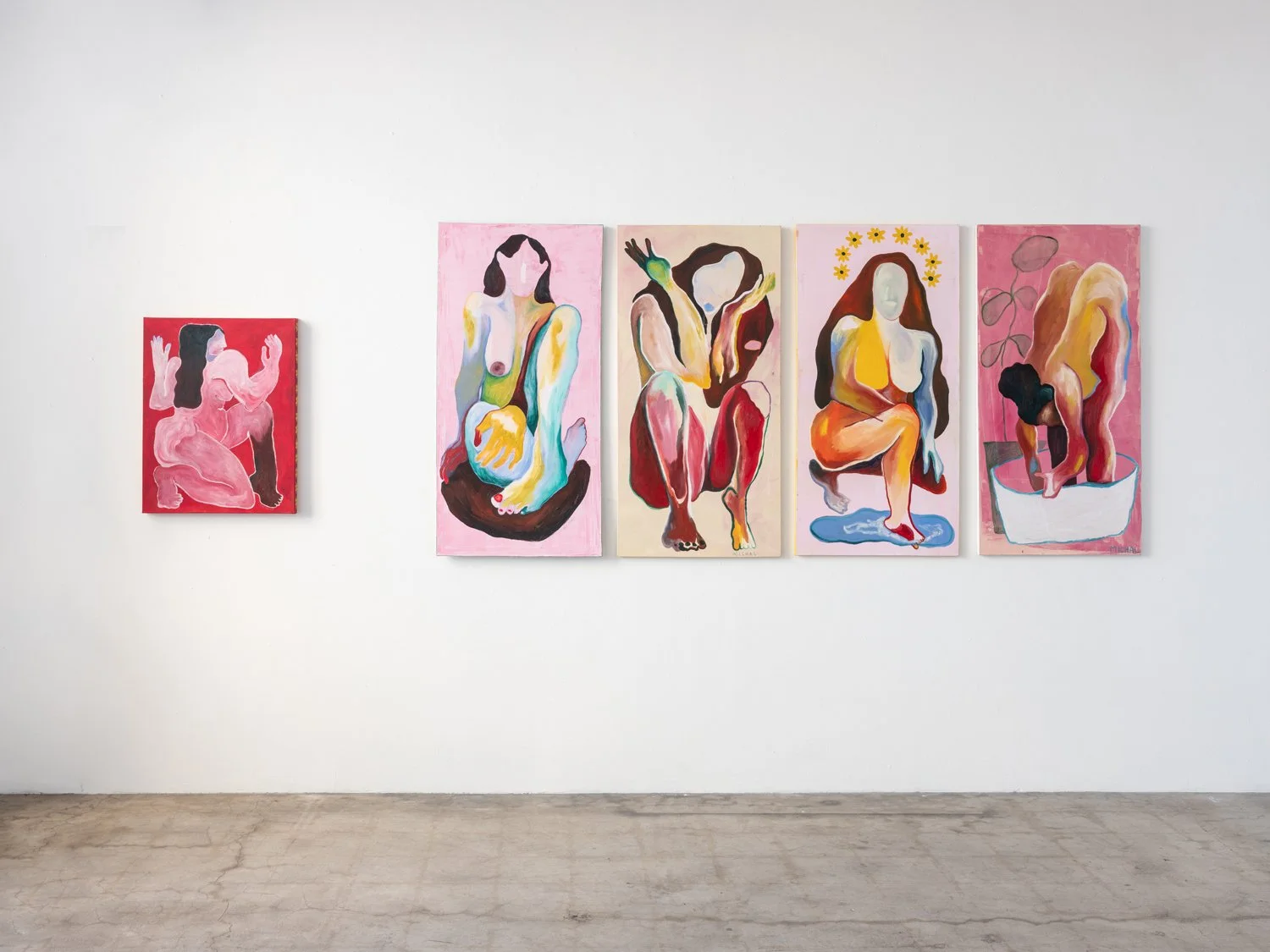
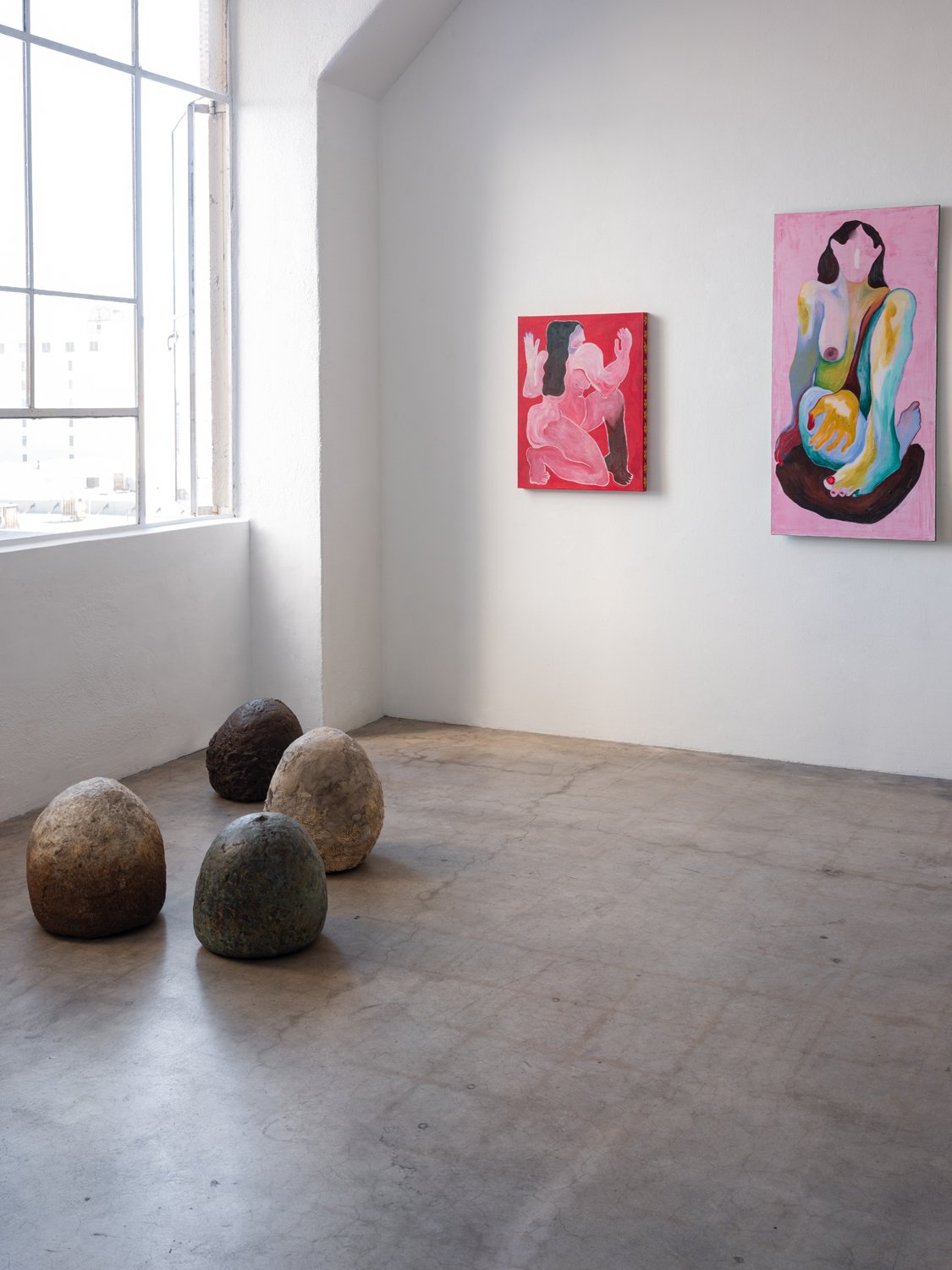
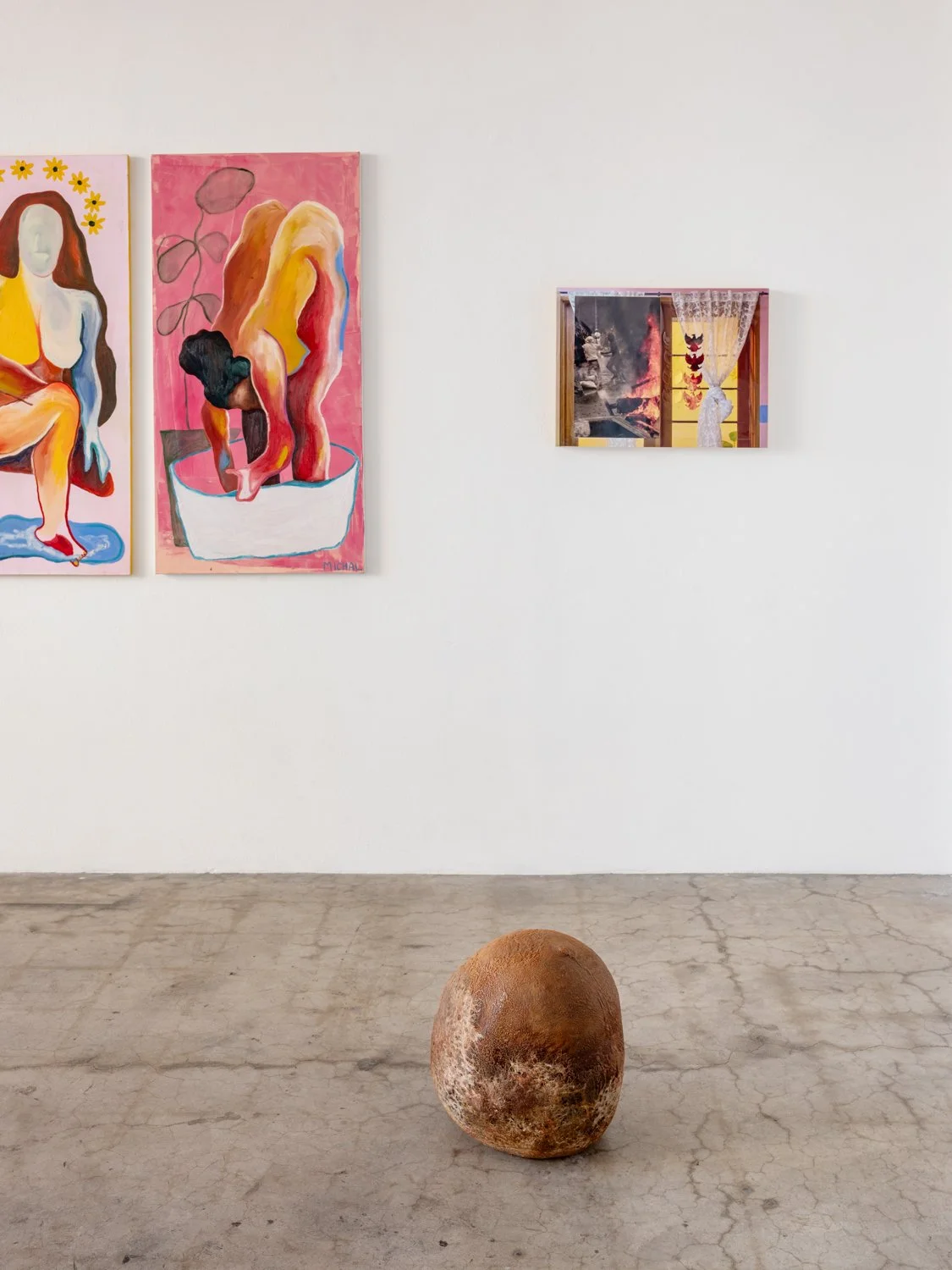
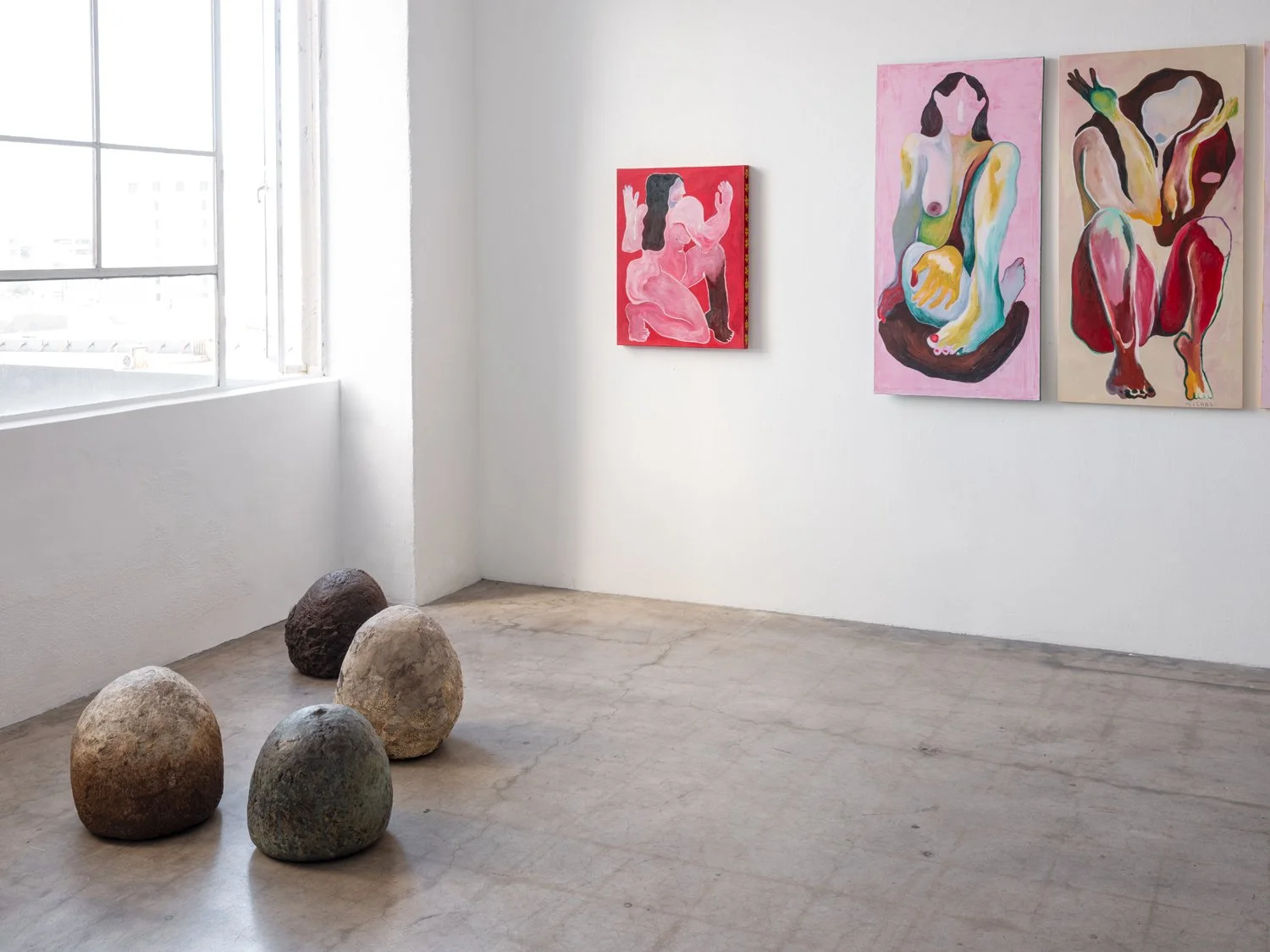
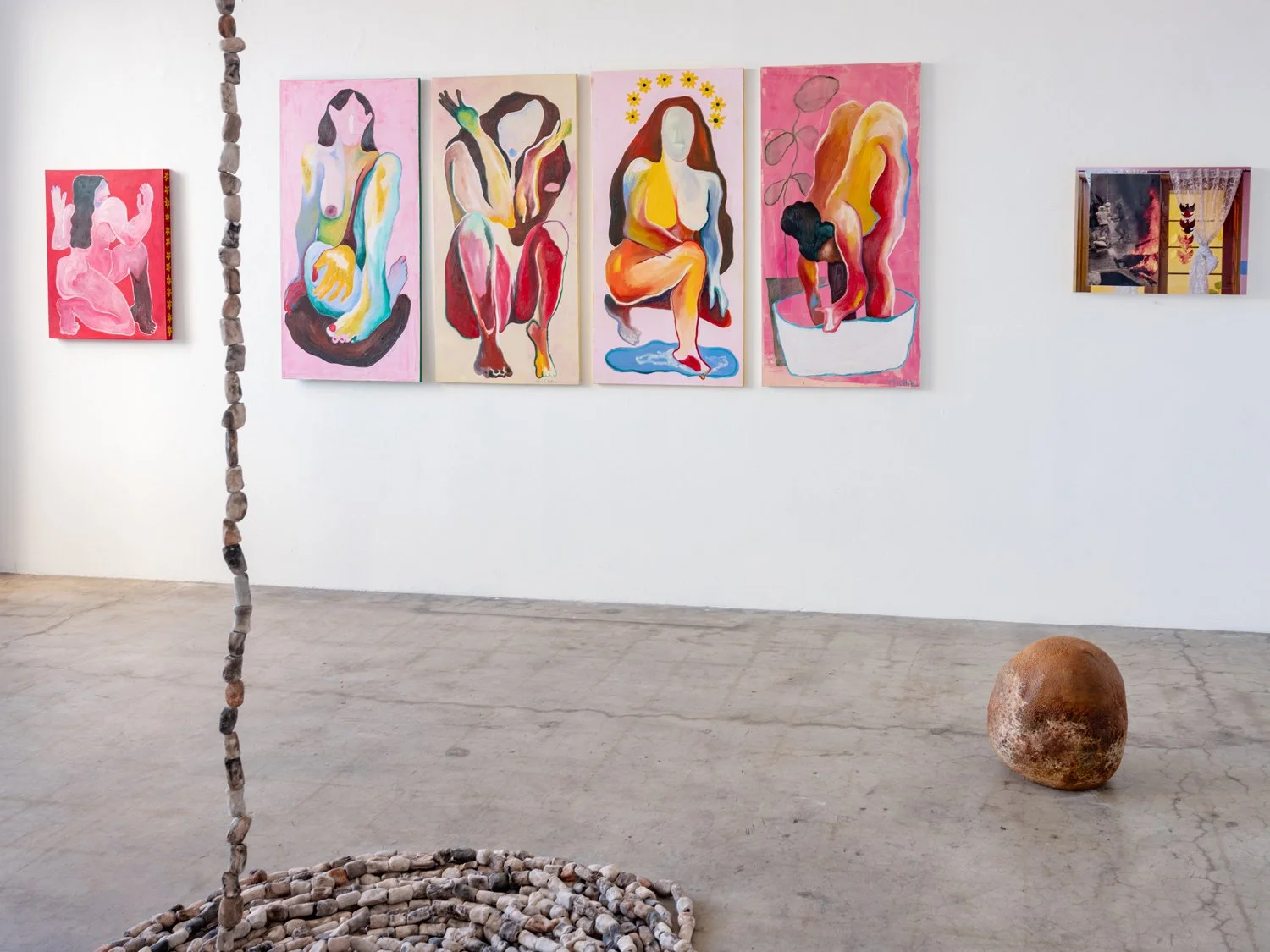
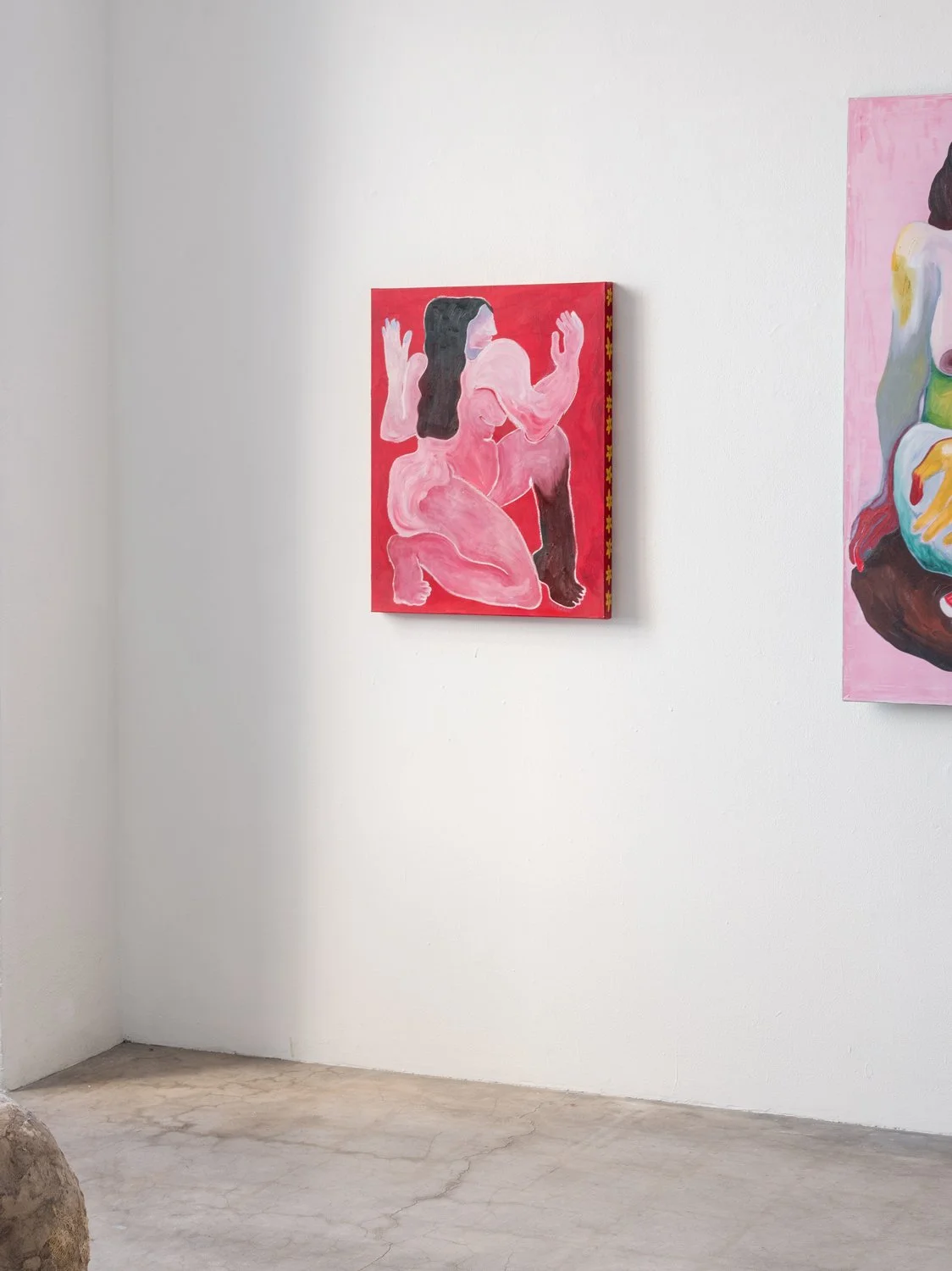
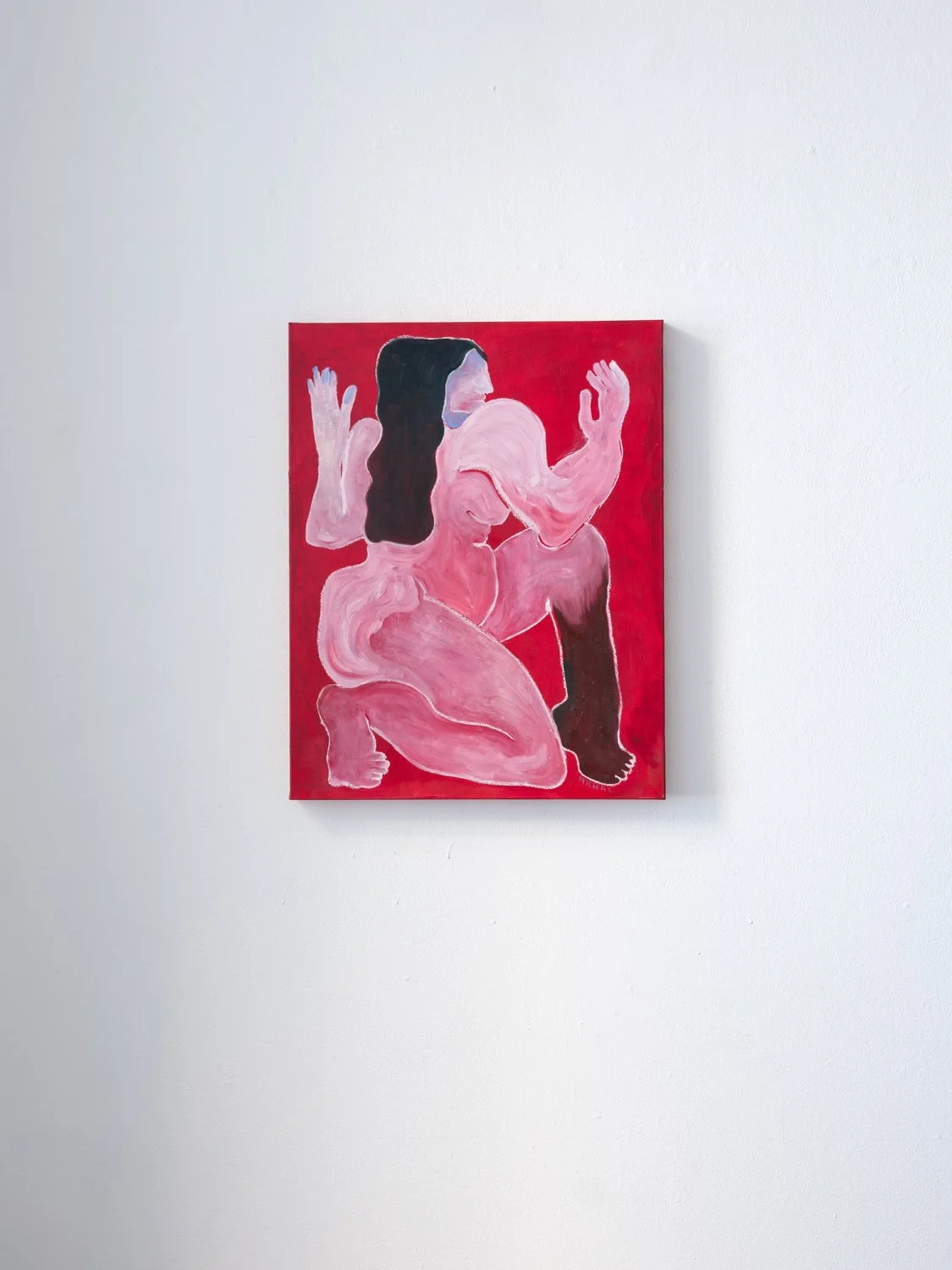
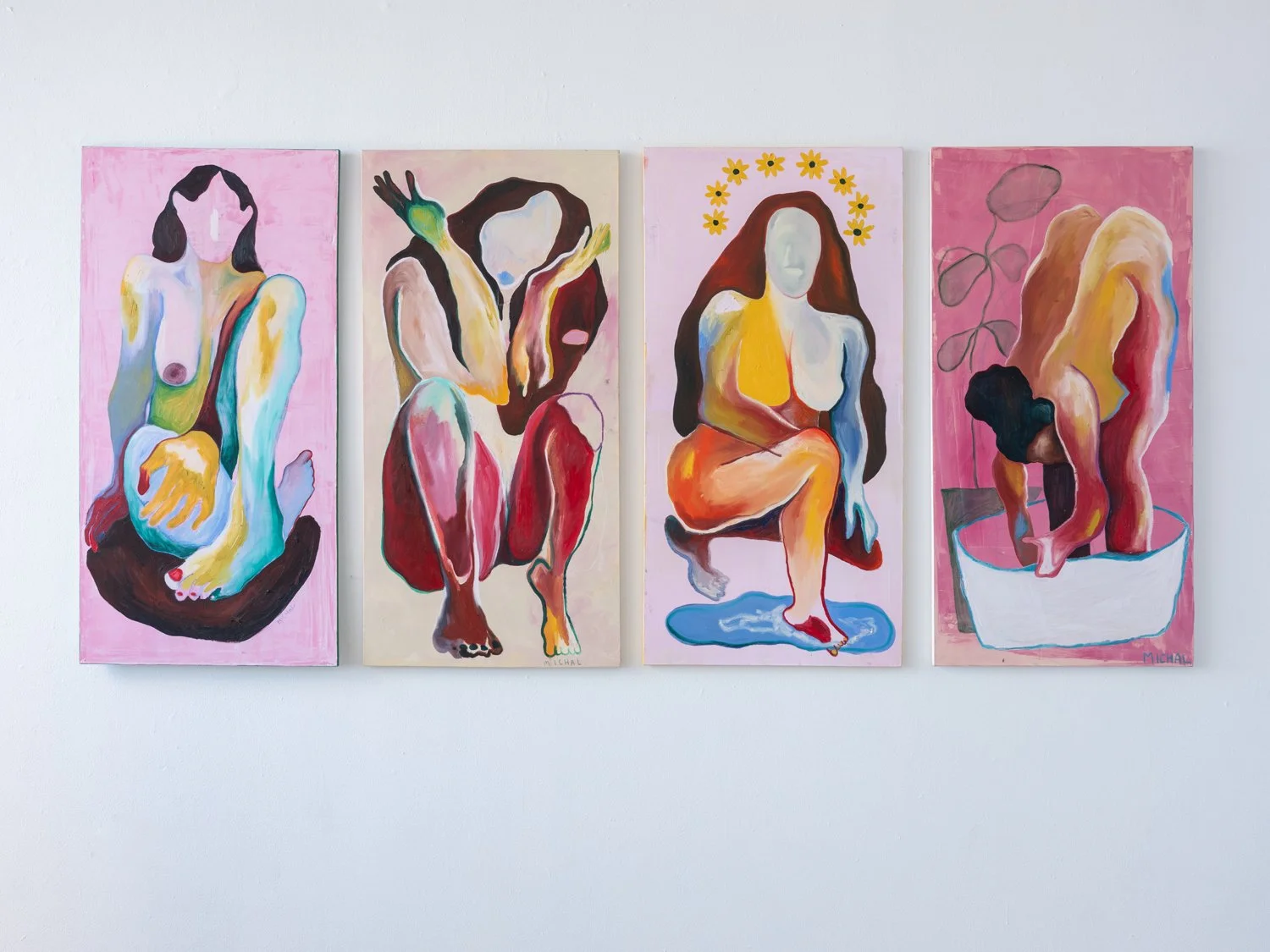
Michal Greenfield is a Los Angeles–born interdisciplinary artist whose practice spans painting, movement, writing, and performance. She spent nearly a decade living in Jerusalem and Tel Aviv, where she earned her Bachelor of Fine Arts from Bezalel Academy of Arts and Design in 2020 before returning to Los Angeles.
Her work has been exhibited in Jerusalem, Tel Aviv, Downtown Los Angeles, and Venice, California. Alongside her studio practice, Greenfield has worked in arts programming, community organizing, and dialogue facilitation, experiences that continue to inform her artistic practice.
She lives and works in Los Angeles, California.
Greenfield’s practice starts with movement and listening to the body, following sensations, memories, tensions, and emotional states before translating them into paint. Rather than depicting the body as it appears, she is interested in tracing its internal landscape: the places where experience settles, shifts, or resists language.
Her paintings often emerge from portraiture, observation, and embodied research. Through color, gesture, and texture, she explores how experiences become embedded in the body and how they continue to shape the way people move through the world. She is less interested in representing a fixed identity than in capturing something that is constantly changing.
Greenfield thinks of painting as an act of witnessing. It is a way of paying close attention—to herself, to another person, and to the space between them. She is interested in the possibility that sustained attention can create moments of recognition, allowing people to encounter themselves and one another with greater honesty.
Rather than offering answers, her work invites viewers to remain with uncertainty, complexity, and feeling. She hopes the paintings create space for curiosity, reflection, and connection.
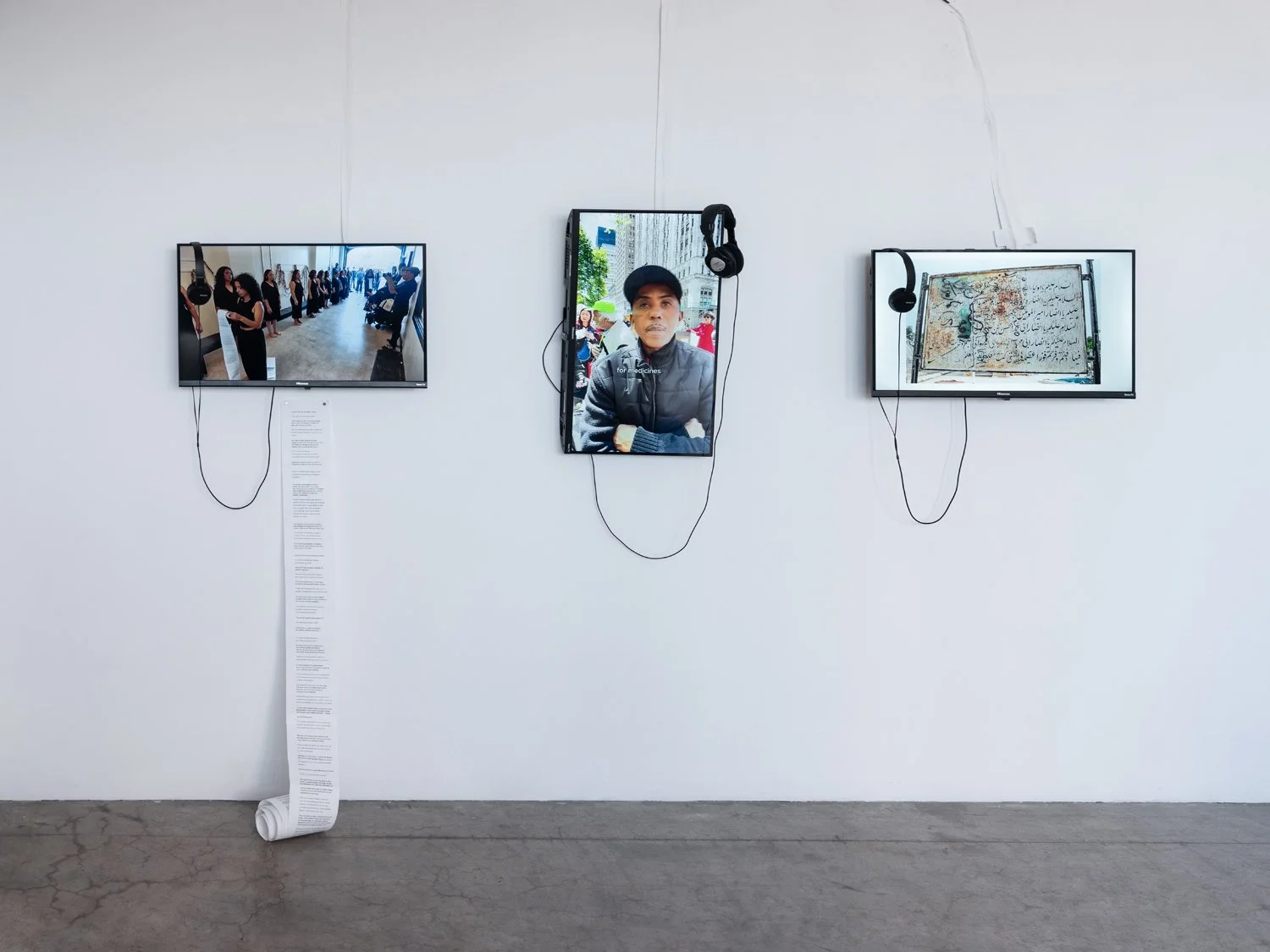
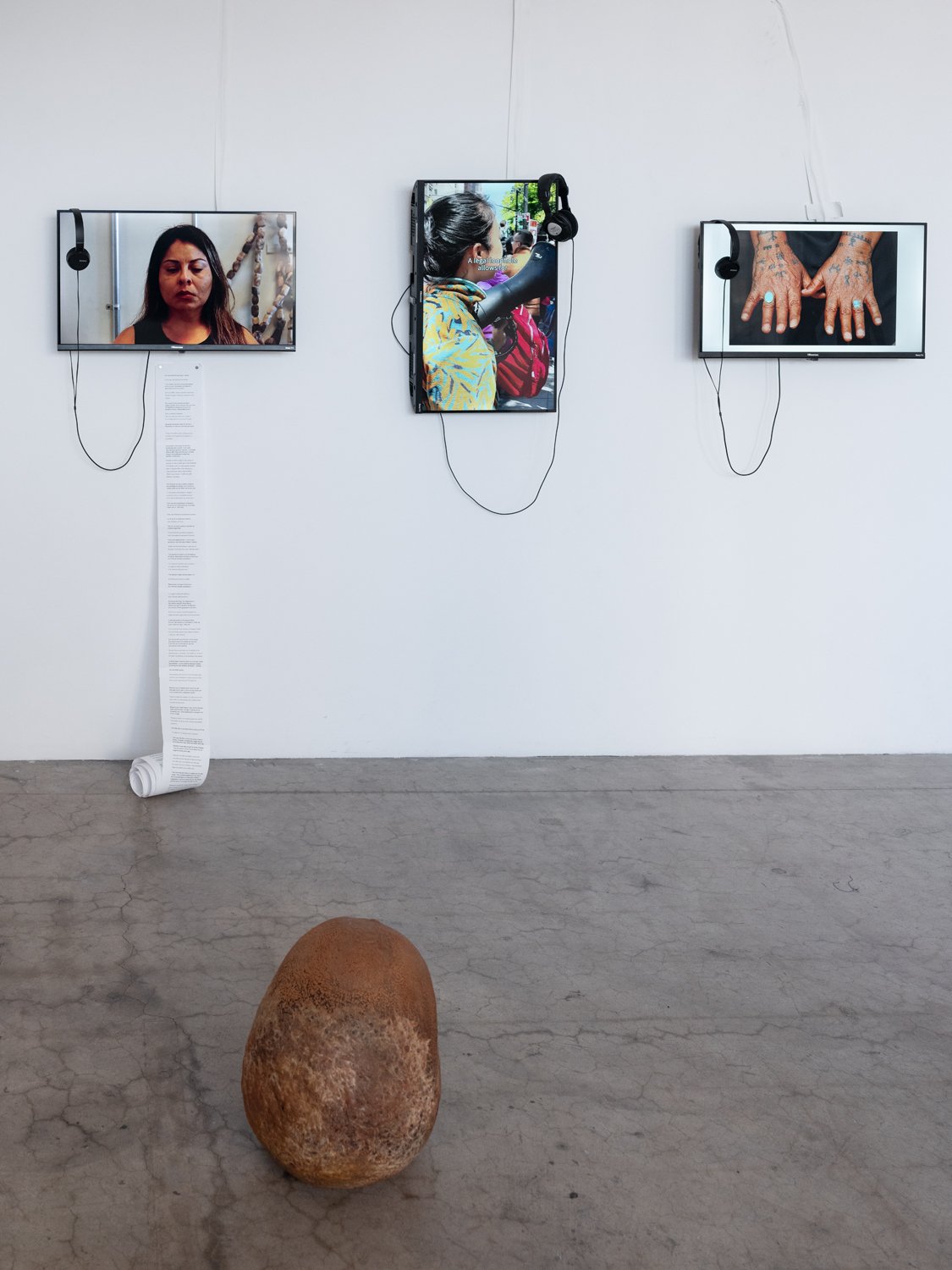
Maria Adela Diaz is a multidisciplinary Latinx artist born in Guatemala and based in Los Angeles, California. Working across performance, installation, and video, Diaz uses her body as both subject and medium to examine political deception, patriarchal systems, immigration, and discriminatory ideologies. Her practice addresses the complexities of the Latin American diaspora, exploring themes of displacement, identity, memory, and resistance.
As a Latinx artist, Diaz investigates the shifting boundaries between visibility and invisibility, presence and absence, particularly as they relate to the lived experiences of women in contemporary society. Through performance, video, and installation, she uses her body as her primary medium to challenge political deception, patriarchal structures, immigration policies, and systems of discrimination.
Her practice is grounded in a dialogue between her body and the bodies of others. Through collective presence and participation, she seeks the point where the symbolic, the metaphorical, and corporeal reality converge, creating spaces in which personal experience becomes political and individual memory transforms into collective reflection.
Diaz has exhibited internationally at institutions and venues including Centre Pompidou, Ex Teresa Arte Actual, the Museum of Contemporary Art and Design, and Somerset House, among others. She lives and works in Los Angeles, California.
photos by Christine Atkinson